
All posts by panglossa

Lecciones de Quechua (1) – 2026-09-14
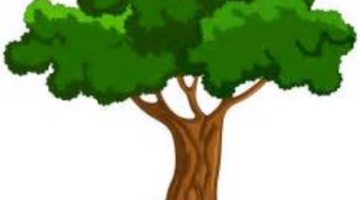
Word of the Day: tree [2026-07-12]
| Indo-European | Italic | Latina | arbor, -oris (f.) |
| Português | árvore (f.) |
||
| Español/Castellano | árbol (m.) |
||
| Català | arbre (m.) |
||
| Français | arbre (m.) |
||
| Italiano | albero (m.) |
||
| Română | arbore (m.), pl. arbori, copac (m.), pl. copaci |
||
| Celtic | Gaeilge | crann (m.), pl. crainn |
|
| Cymraeg | coeden (f.), pl. coed |
||
| Germanic | Ænglisċ | trēow (n.), pl. trēowu, bēam (m.), pl. bēamas |
|
| English | tree |
||
| Deutsch | Baum (m.), pl. Bäume |
||
| Nederlands | boom (m.), pl. bomen |
||
| Svenska | träd (n.), pl. träd |
||
| Íslensk | tré (n.), pl. tré |
||
| Hellenic | Ἑλληνική | δένδρον (n.) |
|
| Ελληνικά | δέντρο (n.) |
||
| Indo-Iranian | فارسی | درخت (daraxt), pl. درختان (daraxtān) |
|
| संस्कृतम् | तरु (taru), द्रुम (druma), वृक्ष (vṛkṣa) (m.) |
||
| हिन्दी/اردو | पेड़/پیڑ (peṛ) (m.) |
||
| Slavic | Русский | де́рево (n.), pl. дере́вья |
|
| Čeština | strom (m.), g.s. stromu, pl. stromy |
||
| Polski | drzewo (n.) |
||
| Other | Shqip | dru (m.), def. druri, pl. drurë |
|
| Հայերեն | ծառ (tsaṙ), pl. ծառեր (tsaṙer) |
||
| Afro-Asiatic | Semitic | 𒀝𒅗𒁺𒌑 | 𒄑, 𒄿𒍪𒌝, 𒄿𒍮 (iṣum) |
| العربية | شجرة (šajara) (f.), pl. أشجار (ʔašjār) |
||
| አማርኛ | ዛፍ (zaf) (m.) |
||
| Chadic | Harshen Hausa | bishiyā̀ (f.), pl. bishiyoyi |
|
| Egyptian | 𓂋𓏺𓈖𓆎𓅓𓏏𓊖 | 𓍲𓈖𓆭 (šn) (m.) |
|
| ⲧⲙⲛ̄ⲧⲣⲙ̄ⲛ̄ⲕⲏⲙⲉ | ϣⲏⲛ (šēn) (m.) |
||
| Cushitic | 𐒖𐒍 𐒈𐒝𐒑𐒛𐒐𐒘 | geed (m.) |
|
| Niger-Congo | Yoruboid | Èdè Yorùbá | igi |
| Bantu | Kiswahili | mti (cl. 3/4) |
|
| isiZulu | umuthi (cl. 3/4), isihlahla (cl. 7/8) |
||
| Finno-Ugric | Finnic | Suomi | puu |
| Ugric | Magyar | fa |
|
| Dravidian | తెలుగు | చెట్టు (ceṭṭu) |
|
| Sino-Tibetan | Sinitic | 中文 | 樹/树 (shù), 樹木/树木 (shùmù) |
| Tibeto-Burman | ལྷ་སའི་སྐད་ | ཤིང (shing) |
|
| Austroasiatic | Tiếng Việt | cây |
|
| Kra–Dai | ภาษาไทย | ต้นไม้ (dtôn-máai) |
|
| Austronesian | Malayic | Bahasa Indonesia | pohon |
| Polynesian | ʻŌlelo Hawaiʻi | kumulāʻau |
|
| Barito | Malagasy | hazo |
|
| Siouan | Lakȟótiyapi | čháŋ |
|
| Uto-Aztecan | Nāhuatlāhtōlli | cuahuitl |
|
| Eskimo–Aleut | ᐃᓄᒃᑎᑐᑦ | ᓇᐹᖅᑐᖅ (napaaqtoq) |
|
| Tupian | Abanheenga | ybyrá |
|
| Japonic | 日本語 | 木 (き), 樹木 (じゅもく) |
|
| Koreanic | 한국어 | 나무 |
|
| Mongolic | ᠮᠣᠩᠭᠣᠯ ᠬᠡᠯᠡ | мод / ᠮᠣᠳᠤ (mod) |
|
| Mayan | Qʼeqchiʼ | ||
| Kartvelian | ქართული | ხე (xe) |
|
| Turkic | Türkçe | ağaç |
|
| Other | Asia | 𒅴𒂠 | 𒄑 (g̃eš, g̃iš) |
| Americas | Runasimi | sach’a, mallki |
|
| Libras | |||
| Europe | Euskara | zuhaitz, arbola |
|
| Artificial | | ||
| Esperanto | arbo |

Word of the Day: mother [2026-07-11]
| Indo-European | Italic | Latina | mater, -tris (f.) |
| Português | mãe (f.) |
||
| Español/Castellano | madre (f.) |
||
| Català | mare (f.) |
||
| Français | mère (f.) |
||
| Italiano | madre (f.) |
||
| Română | mamă (f.) |
||
| Celtic | Gaeilge | máthair (f.); g.s. máthar |
|
| Cymraeg | mam (f.) |
||
| Germanic | Ænglisċ | mōdor (f.); g.s. mōdor, mēder |
|
| English | mother |
||
| Deutsch | Mutter (f.) |
||
| Nederlands | moeder (f.), pl. moeders |
||
| Svenska | mamma, mor (f.) |
||
| Íslensk | mamma, móðir (f.) |
||
| Hellenic | Ἑλληνική | μητέρα (f.) |
|
| Ελληνικά | μήτηρ, -έρος/-τρός (f.) |
||
| Indo-Iranian | فارسی | مادر (mâdar) |
|
| संस्कृतम् | मातृ, मातुः (f.) |
||
| हिन्दी/اردو | माता / ماتا (mātā) (f.) |
||
| Slavic | Русский | мать, ма́ма (f.) |
|
| Čeština | matka, -y (f.) |
||
| Polski | matka, -i; mama, -y (f.) |
||
| Other | Shqip | nënë, pl. -a |
|
| Հայերեն | մայր (mayr) |
||
| Afro-Asiatic | Semitic | 𒀝𒅗𒁺𒌑 | 𒂼, 𒌝𒈬𒌝, 𒌝𒈬 (ummum) (f.) |
| العربية | أم (ʔumm) (f.) |
||
| አማርኛ | እናት (ʾənat) (f.) |
||
| Chadic | Harshen Hausa | uwā, innà (f.) |
|
| Egyptian | 𓂋𓏺𓈖𓆎𓅓𓏏𓊖 | 𓅐𓏏𓁐 (mwt) (f.) |
|
| ⲧⲙⲛ̄ⲧⲣⲙ̄ⲛ̄ⲕⲏⲙⲉ | ⲙⲁⲁⲩ (maau) (f.) |
||
| Cushitic | 𐒖𐒍 𐒈𐒝𐒑𐒛𐒐𐒘 | hooyo (f.) |
|
| Niger-Congo | Yoruboid | Èdè Yorùbá | ìyá, màmá |
| Bantu | Kiswahili | mzazi (cl. II), mama (cl. IX) |
|
| isiZulu | (my) umama, (your) unyoko, (his/her) unina (cl. 1a/2a) |
||
| Finno-Ugric | Finnic | Suomi | äiti |
| Ugric | Magyar | anya |
|
| Dravidian | తెలుగు | అమ్మ (amma), తల్లి (talli) (f.) |
|
| Sino-Tibetan | Sinitic | 中文 | 母親/母亲 (mǔqīn), 母 (mǔ), 媽媽/妈妈 (māma), 媽/妈 (mā) |
| Tibeto-Burman | ལྷ་སའི་སྐད་ | ཨ་མ /ʔa˥˥.ma˥˥/, མ /ma˩˨/ |
|
| Austroasiatic | Tiếng Việt | má, mẹ |
|
| Kra–Dai | ภาษาไทย | แม่ (mɛ̂ɛ) |
|
| Austronesian | Malayic | Bahasa Indonesia | ibu |
| Polynesian | ʻŌlelo Hawaiʻi | makuahine |
|
| Barito | Malagasy | reny |
|
| Siouan | Lakȟótiyapi | iná |
|
| Uto-Aztecan | Nāhuatlāhtōlli | nantli |
|
| Eskimo–Aleut | ᐃᓄᒃᑎᑐᑦ | ᐊᓈᓇ (anaana) |
|
| Tupian | Abanheenga | sy |
|
| Japonic | 日本語 | お母さん (おかあさん), 母 (はは) |
|
| Koreanic | 한국어 | 엄마 (eomma) |
|
| Mongolic | ᠮᠣᠩᠭᠣᠯ ᠬᠡᠯᠡ | эх / ᠡᠬᠡ (ex), ээж ᠡᠵᠢ (eež) |
|
| Mayan | Qʼeqchiʼ | naʼ |
|
| Kartvelian | ქართული | დედა (deda) |
|
| Turkic | Türkçe | anne |
|
| Other | Asia | 𒅴𒂠 | 𒂼 (ama) |
| Americas | Runasimi | mama |
|
| Libras | |||
| Europe | Euskara | ama |
|
| Artificial | | ||
| Esperanto | patrino |
Word of the Day: dog [2026-07-10]
| Indo-European | Italic | Latina | canis, -is (m.) |
| Português | cão, cachorro (m.) |
||
| Español/Castellano | perro (m.) |
||
| Català | gos (m.) |
||
| Français | chien (m.) |
||
| Italiano | cane (m.) |
||
| Română | câine (m.) |
||
| Celtic | Gaeilge | madra (m.) |
|
| Cymraeg | ci (m.) |
||
| Germanic | Ænglisċ | hund (m.), pl. hundas |
|
| English | dog |
||
| Deutsch | Hund (m.) |
||
| Nederlands | hond (m.) |
||
| Svenska | hund (c.), pl. hundar |
||
| Íslensk | hundur (m.), pl. hundar |
||
| Hellenic | Ἑλληνική | κύων (kúōn) (m./f.) |
|
| Ελληνικά | σκύλος (skýlos) (m.), σκυλί (skylí) (n.) |
||
| Indo-Iranian | فارسی | سگ (sag) |
|
| संस्कृतम् | श्वन् (śvan), शुनक (śunaka) (m.) |
||
| हिन्दी/اردو | कुत्ता / کتا (kuttā) (m.) |
||
| Slavic | Русский | собака (sobáka) (f.), пёс (pjos) (m.) |
|
| Čeština | pes (m.) |
||
| Polski | pies (m.), suka (f.) |
||
| Other | Shqip | qen (m.) |
|
| Հայերեն | շուն (šun) |
||
| Afro-Asiatic | Semitic | 𒀝𒅗𒁺𒌑 | 𒌨, 𒌨𒂠, 𒅗𒀠𒁍𒌝, 𒂵𒀠𒁍𒌝, 𒅗𒀠𒁍, 𒆗𒁍, 𒃲𒅤 (kalbum) (m.) |
| العربية | كلب (kalb) (m.), pl. كلاب (kilāb) |
||
| አማርኛ | ውሻ (wəša) / ዉሻ (wuša) (m./f.), pl. ውሾች (wəššočč) / ውሻዎች (wəššawočč), ከልብ (kälb) (m.); pl. ከለባት (käläbat) / አክልብት (ʾäkləbt) / አክላብ (ʾäklab) / አካልብት (ʾäkaləbt) |
||
| Chadic | Harshen Hausa | kàrē (m.), pl. kar̃nukā̀ |
|
| Egyptian | 𓂋𓏺𓈖𓆎𓅓𓏏𓊖 | 𓍿𓊃𓅓𓃡 (ṯsm), 𓃛𓅱𓃡 (jw), 𓃛𓅱𓃛𓅱𓃡 (jwjw) |
|
| ⲧⲙⲛ̄ⲧⲣⲙ̄ⲛ̄ⲕⲏⲙⲉ | ⲟⲩϩⲟⲣ (ouhor) (m.), pl. ⲟⲩϩⲱⲣ (ouhōr) |
||
| Cushitic | 𐒖𐒍 𐒈𐒝𐒑𐒛𐒐𐒘 | eey, ey (m.) |
|
| Niger-Congo | Yoruboid | Èdè Yorùbá | ajá |
| Bantu | Kiswahili | mbwa (cl.9/10) |
|
| isiZulu | inja (cl.9/10) |
||
| Finno-Ugric | Finnic | Suomi | koira |
| Ugric | Magyar | kutya |
|
| Dravidian | తెలుగు | కుక్క (kukka) |
|
| Sino-Tibetan | Sinitic | 中文 | 狗 (gǒu) |
| Tibeto-Burman | ལྷ་སའི་སྐད་ | ཁྱི /cʰi˥˥/ |
|
| Austroasiatic | Tiếng Việt | chó |
|
| Kra–Dai | ภาษาไทย | หมา (mǎa), สุนัข (sù-nák) |
|
| Austronesian | Malayic | Bahasa Indonesia | anjing |
| Polynesian | ʻŌlelo Hawaiʻi | ʻīlio |
|
| Barito | Malagasy | alika |
|
| Siouan | Lakȟótiyapi | šúŋka |
|
| Uto-Aztecan | Nāhuatlāhtōlli | chichi, itzcuintli |
|
| Eskimo–Aleut | ᐃᓄᒃᑎᑐᑦ | ᕿᒻᒥᖅ (qimmiq) |
|
| Tupian | Abanheenga | îagûara |
|
| Japonic | 日本語 | 犬 / 狗 (いぬ) |
|
| Koreanic | 한국어 | 개 (gae) |
|
| Mongolic | ᠮᠣᠩᠭᠣᠯ ᠬᠡᠯᠡ | нохой / ᠨᠣᠬᠠᠢ (noxoj) |
|
| Mayan | Qʼeqchiʼ | ||
| Kartvelian | ქართული | ძაღლი (dzaɣli) |
|
| Turkic | Türkçe | köpek |
|
| Other | Asia | 𒅴𒂠 | 𒌨 (ur), 𒌨𒂠 (ur-gir₁₅) |
| Americas | Runasimi | allqu |
|
| Libras | |||
| Europe | Euskara | txakur, etxe-txakur |
|
| Artificial | | ||
| Esperanto | hundo |

Word of the Day: the Sun [2026-07-09]
| Indo-European | Italic | Latina | solis, -is (m.) |
| Português | o sol (m.) |
||
| Español/Castellano | el sol (m.) |
||
| Català | el sol (m.) |
||
| Français | le soleil (m.) |
||
| Italiano | il sole (m.) |
||
| Română | soarele (m.) |
||
| Celtic | Gaeilge | an ghrian (f.) |
|
| Cymraeg | yr haul (m.) |
||
| Germanic | Ænglisċ | sēo sunne (f.) |
|
| English | the Sun |
||
| Deutsch | die Sonne (f.) |
||
| Nederlands | de Zon (f.) |
||
| Svenska | solen (c.) |
||
| Íslensk | sólin (f.) |
||
| Hellenic | Ἑλληνική | ὁ ἥλιος (m.) |
|
| Ελληνικά | ο ήλιος (m.) |
||
| Indo-Iranian | فارسی | خورْشید (xoršid), آفْتاب (âftâb) |
|
| संस्कृतम् | सूर्य (sūrya) (m.), रवि (ravi) (m.), आदित्य (āditya) (f.), अंशुमत् (aṃśumat) (m.) |
||
| हिन्दी/اردو | सूरज / سورج (suraj) |
||
| Slavic | Русский | Солнце (sólnce) (n.) |
|
| Čeština | slunce (n.) |
||
| Polski | słońce (n.) |
||
| Other | Shqip | dielli (m.) |
|
| Հայերեն | արևը |
||
| Afro-Asiatic | Semitic | 𒀝𒅗𒁺𒌑 | 𒌓, 𒀭𒌓, 𒊭𒄠𒋗𒌝, 𒊭𒄠𒋗, 𒌑𒋳, 𒌑𒋗 (šamšum) (m.) |
| العربية | الشمس (aš-šams) (f.) |
||
| አማርኛ | ፀሐይ (ṣ́äḥay) (f.) |
||
| Chadic | Harshen Hausa | rana |
|
| Egyptian | 𓂋𓏺𓈖𓆎𓅓𓏏𓊖 | 𓂋𓂝𓇳𓏤 (rꜥ) (m.) |
|
| ⲧⲙⲛ̄ⲧⲣⲙ̄ⲛ̄ⲕⲏⲙⲉ | ⲡⲣⲏ (m.) |
||
| Cushitic | 𐒖𐒍 𐒈𐒝𐒑𐒛𐒐𐒘 | qorrax (f.) |
|
| Niger-Congo | Yoruboid | Èdè Yorùbá | oòrùn, òòrùn |
| Bantu | Kiswahili | jua (cl.V / IX) |
|
| isiZulu | ilanga (cl. 5/6) |
||
| Finno-Ugric | Finnic | Suomi | aurinko |
| Ugric | Magyar | Nap |
|
| Dravidian | తెలుగు | సూర్యుడు (sūryuḍu) |
|
| Sino-Tibetan | Sinitic | 中文 | 太陽 / 太阳 (tàiyáng) |
| Tibeto-Burman | ལྷ་སའི་སྐད་ | ཉི་མ /ȵi˩˨.məˑ/ |
|
| Austroasiatic | Tiếng Việt | Mặt Trời |
|
| Kra–Dai | ภาษาไทย | ดวงอาทิตย์ (duuang-aa-tít) |
|
| Austronesian | Malayic | Bahasa Indonesia | matahari |
| Polynesian | ʻŌlelo Hawaiʻi | lā |
|
| Barito | Malagasy | masoandro |
|
| Siouan | Lakȟótiyapi | wí |
|
| Uto-Aztecan | Nāhuatlāhtōlli | tonatiuh |
|
| Eskimo–Aleut | ᐃᓄᒃᑎᑐᑦ | ᓯᕿᓂᖅ (siqiniq) |
|
| Tupian | Abanheenga | kûarasy |
|
| Japonic | 日本語 | 太陽 (たいよう), 日 (ひ) |
|
| Koreanic | 한국어 | 해 (hae), 태양 / 太陽 (taeyang) |
|
| Mongolic | ᠮᠣᠩᠭᠣᠯ ᠬᠡᠯᠡ | нар / ᠨᠠᠷᠠ (nar) |
|
| Mayan | Qʼeqchiʼ | saqʼe |
|
| Kartvelian | ქართული | მზე (mze) |
|
| Turkic | Türkçe | güneş |
|
| Other | Asia | 𒅴𒂠 | 𒌓, 𒀭𒌓 (utu) |
| Americas | Runasimi | inti |
|
| Libras | |||
| Europe | Euskara | ekia, eguzkia |
|
| Artificial | | ||
| Esperanto | la suno |
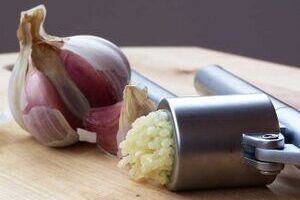
Word of the Day: garlic [2026-07-08]
| Indo-European | Italic | Latina | allium (n.) |
| Português | alho (m.) |
||
| Español/Castellano | ajo (m.) |
||
| Català | all (m.) |
||
| Français | ail (m.) |
||
| Italiano | aglio (m.) |
||
| Română | usturoi (m.) |
||
| Celtic | Gaeilge | gairleog (f.) |
|
| Cymraeg | garlleg (m.), craf (m.pl.) |
||
| Germanic | Ænglisċ | gārlēac (n.) |
|
| English | garlic |
||
| Deutsch | Knoblauch (m.) |
||
| Nederlands | knoflook (m./f.) |
||
| Svenska | vitlök (c.) |
||
| Íslensk | hvítlaukur (m.) |
||
| Hellenic | Ἑλληνική | σκόροδον, σκόρδον (n.) |
|
| Ελληνικά | σκόρδο (n.) |
||
| Indo-Iranian | فارسی | سیر (sir) |
|
| संस्कृतम् | लशुन (laśuna) (n.) |
||
| हिन्दी/اردو | लहसुन / لہسن (lahsun) (m.) |
||
| Slavic | Русский | чеснок (česnók) (m.) |
|
| Čeština | česnek (m. inan.); g./d./v./l. -u, i. -em, n./i.pl. -y, g.pl. -ů, d.pl. -ům, l.pl. -cích |
||
| Polski | czosnek (m.) |
||
| Other | Shqip | hudhër (f.), pl. hudhra |
|
| Հայերեն | սխտոր (sxtor) |
||
| Afro-Asiatic | Semitic | 𒀝𒅗𒁺𒌑 | 𒋧, 𒋧𒊬, 𒋗𒌑𒈬, 𒋗𒈬 (šūmū) (m.pl.) |
| العربية | ثُوم (ṯūm) (m.), sing. ثُومَة |
||
| አማርኛ | ነጭ ሽንኩርት (näč̣ šənkurt) (f.) |
||
| Chadic | Harshen Hausa | àlbásà mai go |
|
| Egyptian | 𓂋𓏺𓈖𓆎𓅓𓏏𓊖 | 𓐍𓏭𓅷𓏤𓈖𓄿𓆰𓏥 (ḫṯn) (m.) |
|
| ⲧⲙⲛ̄ⲧⲣⲙ̄ⲛ̄ⲕⲏⲙⲉ | ϣϫⲏⲛ (šjēn) (m.) |
||
| Cushitic | 𐒖𐒍 𐒈𐒝𐒑𐒛𐒐𐒘 | toon (m.) |
|
| Niger-Congo | Yoruboid | Èdè Yorùbá | ayù |
| Bantu | Kiswahili | kitunguu saumu |
|
| isiZulu | isweli lasendle |
||
| Finno-Ugric | Finnic | Suomi | kynsilaukka (plant); valkosipuli (bulb) |
| Ugric | Magyar | fokhagyma |
|
| Dravidian | తెలుగు | వెల్లుల్లి (vellulli), తెల్లగడ్డ (tellagaḍḍa), ఎల్లిగడ్డ (elligaḍḍa), లశునము (laśunamu) |
|
| Sino-Tibetan | Sinitic | 中文 | 大蒜 (dàsuàn), 蒜頭 / 蒜头 (suàntóu) |
| Tibeto-Burman | ལྷ་སའི་སྐད་ | སྒོག་པ /ko(k̚)ˀ˩˨.pa˥˥/ |
|
| Austroasiatic | Tiếng Việt | tỏi |
|
| Kra–Dai | ภาษาไทย | กระเทียม (grà-tiiam) |
|
| Austronesian | Malayic | Bahasa Indonesia | bawang putih |
| Polynesian | ʻŌlelo Hawaiʻi | ʻakaʻakai pilau, ʻakaʻakai pūpū, kālika |
|
| Barito | Malagasy | tongolo gasy |
|
| Siouan | Lakȟótiyapi | ||
| Uto-Aztecan | Nāhuatlāhtōlli | ||
| Eskimo–Aleut | ᐃᓄᒃᑎᑐᑦ | ||
| Tupian | Abanheenga | ’ybarema |
|
| Japonic | 日本語 | 大蒜, 蒜, 葫, 忍辱 (にんにく) |
|
| Koreanic | 한국어 | 마늘 (maneul), 대산 (大蒜) (daesan) |
|
| Mongolic | ᠮᠣᠩᠭᠣᠯ ᠬᠡᠯᠡ | сармис / ᠰᠠᠷᠮᠢᠰ (sarmis), саримсаг / ᠰᠠᠷᠢᠮᠰᠠᠭ (sarimsaɣ) |
|
| Mayan | Qʼeqchiʼ | ||
| Kartvelian | ქართული | ნიორი (niori) |
|
| Turkic | Türkçe | sarımsak |
|
| Other | Asia | 𒅴𒂠 | 𒋧, 𒋧𒊬 (šum₂) |
| Americas | Runasimi | ananisikim |
|
| Libras | |||
| Europe | Euskara | baratxuri |
|
| Artificial | | ||
| Esperanto | ajlo |

Word of the Day: water [2026-07-07]
| Indo-European | Italic | Latina | aqua, -ae (f.) |
| Português | água (f.) |
||
| Español/Castellano | agua (f.) |
||
| Català | aigua (f.) |
||
| Français | eau (f.) |
||
| Italiano | acqua (f.) |
||
| Română | apă (f.) |
||
| Celtic | Gaeilge | uisce (m.) |
|
| Cymraeg | dŵr (m.) |
||
| Germanic | Ænglisċ | wæter (n.), g.s. wæt(e)res, d.s. wæt(e)re; n.pl. wæt(e)ru, g. pl. wæt(e)ra, d. pl. wæt(e)rum |
|
| English | water |
||
| Deutsch | Wasser (n.); pl. Wasser / Wässer |
||
| Nederlands | water (n.); plural waters / wateren |
||
| Svenska | vatten (n.); pl. vatten |
||
| Íslensk | vatn (n.); d.s. vatni, g.s. vatns; n.pl. vötn, d.pl. vötnum, g.pl. vatna |
||
| Hellenic | Ἑλληνική | ὕδωρ, ὕδατος (n.), |
|
| Ελληνικά | νερό (n.), g.s. νερού; n.pl. νερά, g.pl. νερών |
||
| Indo-Iranian | فارسی | آب [ʔɒːb̥] |
|
| संस्कृतम् | अप् (f.), ज॒ल (n.) , पानीय (n.) |
||
| हिन्दी/اردو | पानी (m.), जल (m.), पाणी (m.) |
||
| Slavic | Русский | вода [vɐˈda] (f.) |
|
| Čeština | voda (f.) |
||
| Polski | woda (f.) |
||
| Other | Shqip | ujë (m.) |
|
| Հայերեն | ջուր |
||
| Afro-Asiatic | Semitic | 𒀝𒅗𒁺𒌑 | 𒀀, 𒈬𒌑, 𒈬𒌓, 𒀀𒎌, 𒀀𒄭𒀀 (mû) (m pl) |
| العربية | مَاء (māʔ) (m.) |
||
| አማርኛ | ውሃ (wəha) |
||
| Chadic | Harshen Hausa | ruwā (m.) |
|
| Egyptian | 𓂋𓏺𓈖𓆎𓅓𓏏𓊖 | 𓈗 (mw) (m.) |
|
| ⲧⲙⲛ̄ⲧⲣⲙ̄ⲛ̄ⲕⲏⲙⲉ | ⲙⲟⲟⲩ (moou) (m.); pol. ⲙⲟⲩⲉⲓⲏ (moueiē) |
||
| Cushitic | 𐒖𐒍 𐒈𐒝𐒑𐒛𐒐𐒘 | biyó (m. pl.) |
|
| Niger-Congo | Yoruboid | Èdè Yorùbá | omi |
| Bantu | Kiswahili | maji (pl., cl. VI) |
|
| isiZulu | amanzi (pl., cl. 6) |
||
| Finno-Ugric | Finnic | Suomi | vesi |
| Ugric | Magyar | víz |
|
| Dravidian | తెలుగు | నీరు (nīru), జలము (jalamu) |
|
| Sino-Tibetan | Sinitic | 中文 | 水 (shuǐ) |
| Tibeto-Burman | ལྷ་སའི་སྐད་ | ཆུ (chu) |
|
| Austroasiatic | Tiếng Việt | nước |
|
| Kra–Dai | ภาษาไทย | น้ำ (náam) |
|
| Austronesian | Malayic | Bahasa Indonesia | air |
| Polynesian | ʻŌlelo Hawaiʻi | wai |
|
| Barito | Malagasy | rano, ranu |
|
| Siouan | Lakȟótiyapi | mní |
|
| Uto-Aztecan | Nāhuatlāhtōlli | ātl (inan,) |
|
| Eskimo–Aleut | ᐃᓄᒃᑎᑐᑦ | ᐃᒪᖅ (imaq) |
|
| Tupian | Abanheenga | ‘y |
|
| Japonic | 日本語 | 水 (mìzú) |
|
| Koreanic | 한국어 | 물 (mul) |
|
| Mongolic | ᠮᠣᠩᠭᠣᠯ ᠬᠡᠯᠡ | ус, ᠤᠰᠤ /us/ |
|
| Mayan | Qʼeqchiʼ | ha’ |
|
| Kartvelian | ქართული | წყალი (c̣q̇ali) |
|
| Turkic | Türkçe | su |
|
| Other | Asia | 𒅴𒂠 | 𒀀 (a) |
| Americas | Runasimi | yaku, unu |
|
| Libras | |||
| Europe | Euskara | ur |
|
| Artificial | | ||
| Esperanto | akvo |
Quantas línguas existem no mundo?
Línguas, língua e mais línguas.
Você tem ideia de quantas línguas existem no mundo?
Dezenas? Centenas? Milhares?
Naturalmente, estou falando de línguas, idiomas, sistemas de comunicação verbal; não estou falando de biologia, garoto esperto.
Geralmente a gente imagina uma relação entre línguas e países, mais ou menos cada país tem a sua língua. A não ser em casos como p. ex. o inglês, ou o espanhol, que são falados em vários países, além dos respectivos países de origem. Tem também países em que se falam mais de uma língua, como p. ex. o Canadá ou a Suíça.
Então, se há mais ou menos 200 países, dependendo dos critérios que se usam para definir o que é um “país”, a gente esperaria que houvesse mais ou menos umas 200 línguas, certo?
Mas as coisas não são bem assim. Quando se diz, p. ex., que em tal país se fala tal ou tal língua, geralmente o que se quer dizer é que tal língua é a língua oficial daquele país. Na realidade, não existe uma correlação direta, absoluta, entre países e línguas. Uma língua é um elemento cultural relacionado a um grupo étnico. Um país é uma divisão territorial de caráter administrativo, político. O fato de um país adotar uma língua como “oficial” não significa que aquela seja a única língua falada dentro do território daquele país. Uma língua ser oficial significa apenas que ela é usada pelo governo, pelos estabelecimentos de ensino, pela mídia &c. em situações formais ou quando a mensagem é dirigida à população como um todo.
Então, como a gente faria para saber quantas línguas existem no mundo? A gente teria que contar, naturalmente; sair por aí verificando que língua cada pessoa fala, registrar tudo em um banco de dados e depois fazer a contagem. Acontece que já fizeram isso. Uma organização chamada SIL International publica, desde os anos 50, um catálogo no qual são registradas todas as línguas conhecidas ou que vão sendo descobertas a cada ano. Hoje, naturalmente, este catálogo também é publicado online. E é aí que a gente pode encontrar a resposta a essa questão.
Se você acessar o site ethnoloɠue.com, de cara você já encontra a resposta. Ali estão catalogadas nada menos que 7151 línguas. É isso mesmo: no mundo todo, atualmente, existem pelo menos 7151 línguas. E certamente existem outras que ainda não foram descobertas ou devidamente registradas. Aliás, este catálogo hoje inclui apenas as línguas que estão sendo usadas atualmente por pelo menos uma comunidade em algum lugar do mundo. Portanto, não inclui línguas extintas, como p. ex. o sumério ou o egípcio antigo, porém inclui línguas clássicas que ainda têm alguma relevância cultural ou social, como p. ex. o latim. E, claro, inclui também as línguas de sinais.
Aí, você pode pensar: se existem cerca de 200 países, e mais de 7000 línguas, isso daria, na média, mais ou menos 35 línguas por país. E, então, cadê todas essas línguas?
Pois é, em geral a gente só “enxerga” as línguas com grande número de falantes, as línguas com status oficial, as línguas que aparecem mais na mídia… Olha o nosso caso, por exemplo: quando se pergunta que língua se fala no Brasil, automaticamente a gente responde: português. Falando assim, parece que o português é a única língua usada em todo o território brasileiro. Mas a verdade é um pouco diferente: temos muitas comunidades em que se mantém a língua nativa original, p. ex. nheengatu, baniwa, tukano, krenák &c., e ainda comunidades que falam línguas que chegaram aqui por meio da imigração, p. ex. alemão, italiano, japonês, árabe, ucraniano &c. E ainda temos a LIBRAS, a língua brasileira de sinais. No total, a gente encontra no Brasil cerca de 17 línguas faladas em comunidades de imigrantes, e mais de 200 línguas nativas que, de uma forma ou de outra, conseguem sobreviver até hoje. Outro exemplo “clássico” é o da Itália: quando se fala em Itália, a gente pensa logo em uma língua só, o italiano padrão – que, de fato, é a língua oficial do país. Mas no território italiano são reconhecidas cerca de trinta línguas.
Está aí então, agora você já sabe: no mundo atualmente existem nada menos que 7151 línguas. É língua que não acaba mais! Para a gente que gosta de idiomas, isso é uma boa notícia; afinal, nunca vai faltar língua para a gente aprender!
Bom, por enquanto é isso aí. Até a próxima.
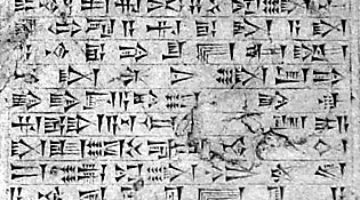
𒀝𒅗𒁺𒌑 – 2022-04-26 (Lesson 3 Vocabulary)
Vocabulary & Exercises from Introduction to Akkadian (Caplice)
Lesson 2
Vocabulary
| 𒁺; 𒀀𒆷𒆪𒌝 | alākum (G, a-i, durative illak, perfect ittalak, preterite illik, imperative alik) | to go |
| 𒁲𒋻; 𒁕𒀀𒀀𒉡𒌝 | dajjānum (dayyānum) | judge |
| 𒄑; 𒄿𒍪𒌝, 𒄿𒍮 | iṣum | tree, wood |
| 𒆬𒌓; 𒄤𒁍𒌝 | kaspum | silver |
| 𒆳; 𒅗𒊭𒁺𒌝, 𒅗𒃻𒁺 | kašādum (G, a-u, durative ikaššad, perfect iktašad, preterite ikšud, imperative kušud) | (ana with accusative) to arrive at (a place), to reach; to conquer |
| 𒉺, 𒊏; 𒈠𒄩𒍮 | maḫāṣum (G, a, durative imaḫḫaṣ, perfect imtaḫaṣ, preterite imḫaṣ, imperative maḫaṣ) | to beat, to strike |
| 𒀀, 𒀀𒎌, 𒀀𒄭𒀀; 𒈬𒌑, 𒈬𒌓 | mû (m. pl.) | water |
| 𒋧; 𒈾𒁕𒉡𒌝 | nadānum (G, i, durative inaddin, perfect ittadin, preterite iddin, imperative idin) | to give |
| 𒀀𒈾𒅗𒊍𒉿𒅎 𒈾𒁕𒉡𒌝 | ana kaspim nadānum |
to sell |
| 𒈾𒅗𒋢𒌝 | nakāsum (pres. inakkis, pret. ikkis) | to cut down, to cut off |
| 𒃻𒂵; 𒉆𒆪𒀸 | namkūrum | possession |
| 𒈾𒊕𒀸 | naṣārum (pres. inaṣṣar, pret. iṣṣur) | to guard, to keep |
| 𒈬, 𒍣; 𒉌𒋗𒌝 | nīšum | (in oaths) life, by the life [of] |
| 𒉡𒌔𒋳 | nuḫšum | abundance |
| 𒉺𒆷𒄷𒌝 | palāḫum (a) | to fear, reverence |
| 𒉺𒋡𒁺𒌝 | paqādum (i) | to care for (acc.), to entrust (acc.) to (ana) |
| 𒋻; 𒉺𒊏𒍪𒌝, 𒉺𒊏𒍮, 𒉺𒊏𒋢 | parāsum (G, a-u, durative iparras, perfect iptaras, preterite iprus, imperative purus) | to cut, to divide |
| 𒉺𒊭𒌈 | pašāṭum (i) |
to erase, to efface |
| 𒅗, 𒆇, 𒊩𒇬; 𒁍𒌑𒌝 | pûm | mouth; word(s), utterance, speech, command; mind, mood, opinion |
| 𒌍𒁇; 𒁍𒊒𒊻𒋢𒌑 | purussûm (purussā’um) |
decision |
| 𒊏𒂵𒈬𒌝 | ragāmum (u) | to (raise a legal) claim |
| 𒊑𒀉𒌈 | rittum (f.) | wrist, hand |
| 𒁳; 𒍝𒁀𒌈 | ṣabātum (a) | to seize |
| 𒃻; 𒊭𒅗𒀀𒉡𒌝, 𒃻𒅗𒉡 | šakānum (a-u) | to put, to place, to set |
| 𒊭𒋡𒈝 | šaqālum (a-u) | to weigh (out), to pay |
| šarākum (a-u) | to present, to dive |
|
| 𒊭𒊏𒄣, 𒊭𒊏𒀀𒆪 | šarāqum (i) | to steal |
| 𒋻; 𒊺𒁁𒀸 | šebērum (i, pres. išebbir, tešebbir, ešebbir; pret. išbir; šebrum) | to break |
| 𒋳𒈠 | šumma | if |
| 𒍝𒅗𒀸 | zakārum | to speak, to say, to name |
| 𒈠𒄩𒅈 | maḫar | in front of, before |