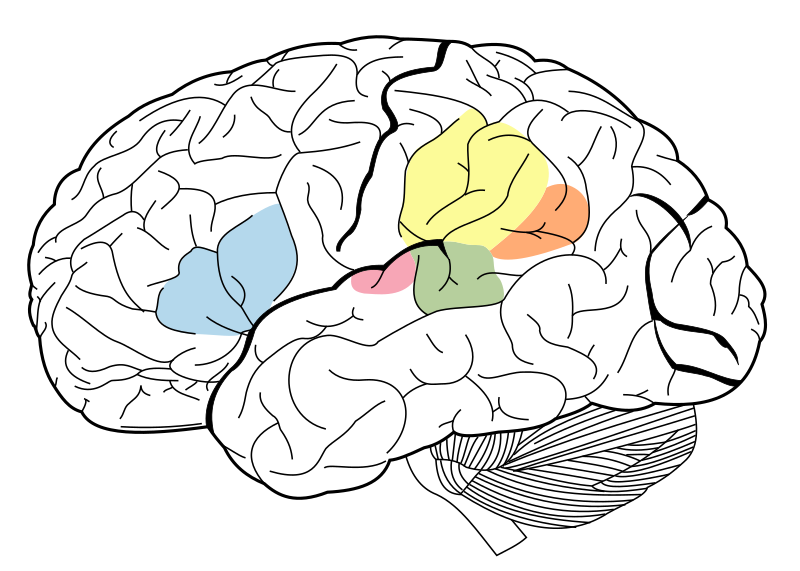
Language Areas of the brain. The Angular Gyrus is represented in orange, Supramarginal Gyrus is represented in yellow, Broca’s area is represented in blue, Wernicke’s area is represented in green, the Primary Auditory Cortex is represented in pink.
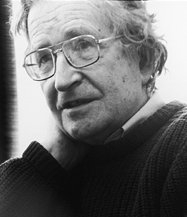
Sometimes described as “the father of modern linguistics”, Noam Chomsky (born December 7, 1928) is an American linguist, philosopher, cognitive scientist, historian, and social critic, being a major figure in analytic philosophy and one of the founders of the field of cognitive science. He holds a joint appointment as Institute Professor Emeritus at the Massachusetts Institute of Technology (MIT) and laureate professor at the University of Arizona, and is the author of over 100 books on topics such as linguistics, war, politics, and mass media. While at Harvard, he developed the theory of Transformational Grammar; for this, he was awarded his doctorate in 1955.
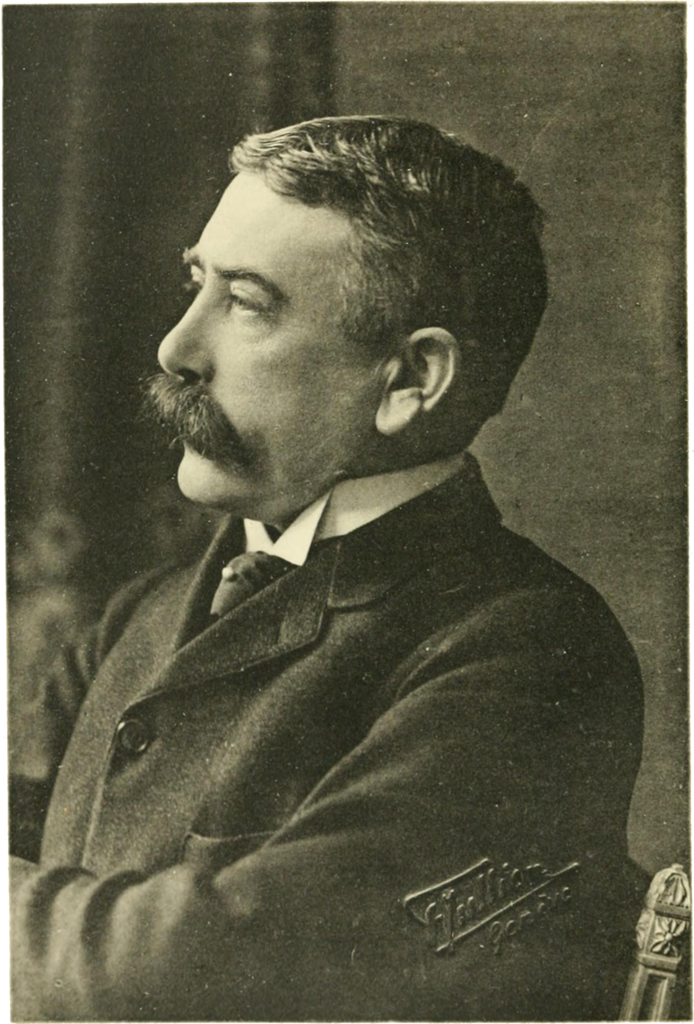
Ferdinand de Saussure (26 November 1857 – 22 February 1913) was a Swiss linguist and semiotician, whose ideas laid a foundation for many significant developments in both linguistics and semiology in the 20th century. He is widely considered one of the founders of 20th-century linguistics and one of two major founders of semiotics/semiology. Ferdinand de Saussure, né à Genève le 26 novembre 1857 et mort à Vufflens-le-Château le 22 février 1913, est un linguiste suisse. Reconnu comme le précurseur du structuralisme en linguistique, il s’est aussi distingué par ses travaux sur les langues indo-européennes. On estime qu’il a fondé la linguistique moderne et établi les bases de la sémiologie.
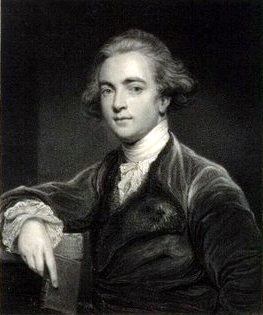
Sir William Jones FRS FRSE (28 September 1746 – 27 April 1794) was an Anglo-Welsh philologist, a puisne judge on the Supreme Court of Judicature at Fort William in Bengal, and a scholar of ancient India, particularly known for his proposition of the existence of a relationship among European and Indian languages, which would later be known as Indo-European languages. His father William Jones (1675–1749) was a mathematician from Anglesey in Wales, noted for introducing the use of the symbol π.
Cuneiform script tablet from the Kirkor Minassian collection in the Library of Congress. From Year 6 in the reign from Amar-Suena/Amar-Sin between 2041 and 2040 BCE.