
La palabra polilla designa primariamente en castellano a diversos insectos que proliferan en algunos alimentos o bienes materiales importantes en el hogar como la ropa o los muebles. También a menudo designa a todos los lepidópteros de hábitos nocturnos, incluso si no son dañinos.
Category Archives: Indo-European
moth – English – Word of the Day – 2015-11-04
Moths comprise a group of insects related to butterflies, belonging to the order Lepidoptera. Most lepidopterans are moths and there are thought to be approximately 160,000 species of moth, many of which are yet to be described. Most species of moth are nocturnal, but there are also crepuscular and diurnal species.

Motte – Deutsch – Word of the Day – 2015-11-04

мёртвый – Русский – Word of the Day – 2015-11-02
- мёртвый [ˈmʲo̞rtvɨ̞j]:такой, в котором прекратилась жизнь, умерший; лишённый жизни; такой, в котором нет жизни; безжизненный, не относящийся к органической природе; бесполезный, являющийся лишним грузом, обузой.

νεκρός – Ελληνικά – Word of the Day – 2015-11-02
- νεκρός, -ή(-ά), ό: που δε βρίσκεται πια στη ζωή, που έχει πεθάνει, που οι ζωτικές του λειτουργίες έχουν παύσει οριστικά; που δεν υφίσταται πια, που δεν μπορεί να υπάρξει ξανά; που δεν λειτουργεί πια εξαιτίας μεγάλης βλάβης.
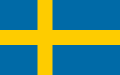
död – Svenska – Word of the Day – 2015-11-02
- död : som inte lever, vanligen om personer eller djur som har levat och dött, även om företeelser; som saknar egenskaper som kännetecknar liv, vanligen om personer eller djur, även om företeelser.
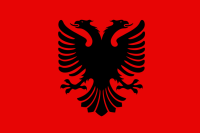
vdekur – Shqip – Word of the Day – 2015-11-02
- vdekur : Ai që ka vdekur, ai që nuk jeton më; që ka pushuar së jetuari, që nuk është më i gjallë, që nuk jeton më, që nuk ka jetë (për njerëzit).
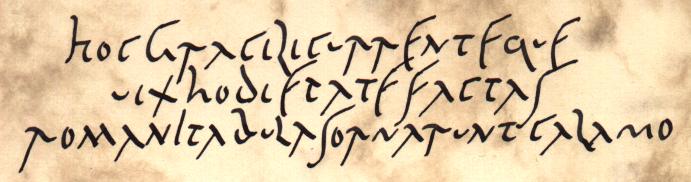
mortuus – LATINA – Word of the Day – 2015-11-02

morto – Italiano – Word of the Day – 2015-11-02

νεκρός – Ἑλληνική – Word of the Day – 2015-11-02
- νεκρός /ne.krós/ → /neˈkros/ → /neˈkros/: dead; a dead body, corpse; one who is dead; in plural (οἱ νεκροί): the dead; a dying person
- νέκυς /né.kyːs/ → /ˈne.kys/ (also νέκυρ): corpse, dead person; in plural (οἱ νέκῠες): spirits of the dead; dead, deceased
- νέκυς /né.kyːs/ → /ˈne.kys/ (also νέκυρ): corpse, dead person; in plural (οἱ νέκῠες): spirits of the dead; dead, deceased