
Category Archives: Languages

한국어 – 2016-06-29
Case Particles
From Wikipedia
| Case | After Vowels | After Consonants |
|---|---|---|
| Nominative | ka 가 -ga | -i 이 |
| Accusative | lul 를 -reul | ul 을 -eul |
| Genitive | -uy 의 -ui (commonly pronounced [ɛ] as well as [ɰi]) | |
| Dative (also destination) |
-ey 에 -e (inanimate) -ey key 에게 -ege (animate) |
|
| Locative (place of event, also source) |
-ey se 에서 -eseo (inanimate) -ey key s e에게서 -egeseo (animate) |
|
| Instrumental | -lo 로 -ro (also with stems ending inㄹ l) | -ulo 으로 -euro |
| Comitative (also and) |
-hako 하고 -hago | |
| -wa 와 | kwa 과 -gwa | |
| lang 랑 -rang | -i lang 이랑 -irang | |
| Vocative | a 아 -a | -ya 야 |

ქართული – 2016-06-29
Farewell Expressions
- გისურვებთ კარგ დღეს! – Have a nice day!
- ღამე მშვიდობისა! – Good night!
- ღამე მშვიდობისა და ტკბილი სიზმრები! – Good night and sweet dreams!
- ნახვამდის! – See you later!
- მალე გნახავ! – See you soon!
- ხვალამდე! – See you tomorrow!
- მშვიდობით! – Good bye!
- გზა მშვიდობისა! – Have a good trip!
- უნდა წავიდე – I have to go
- მალე დავბრუნდები! – I will be right back!

Русский – 2016-06-28
От Дуолинго:
- Вы заняты? – Are you busy?
- Как вас зовут? – What is your name?
- Скажите, пожалуйста, где музей? – Excuse me, where is the museum?
- Привет , как тебя зовут? – Hello, what is your name?
- Скажи , ты пьёшь молоко? – Tell me, do you drink milk?
- Здравствуйте. – Hello.
- Алло , вы Вера Ивановна? – Hello, are you Vera Ivanovna?
- Благодарю вас. – Thank you.
- Извините, можете сказать это ещё раз? – Excuse me, can you say that one more time?
- Здравствуй , Вера. – Hello, Vera.
- Что не так? – What’s wrong?
- Вы Вера Ивановна? Отлично! – Are you Vera Ivanovna? Excellent!
- Можете сказать ещё раз? – Can you say it again?
- Можете сказать , где мама? – Can you tell, where mom is?
- Здравствуйте, я Иван Чернов. – Hello, I am Ivan Chernov.
- Привет , тебя зовут Иван? – Hello, is your name Ivan?

Runasimi – 2016-06-26
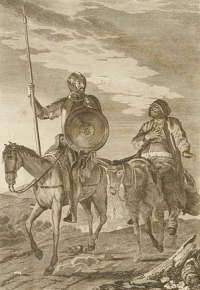
Español – 2016-06-26
De Duolingo:
- Cada loco con su tema. – To each their own.
- Barriga llena , corazón contento. – A full belly and a happy heart.
- Mucho ruido y pocas nueces. – All talk and no action.
- El amor es ciego, pero los vecinos no. – Love is blind but not the neighbours.
- Más puede la pluma que la espada. – The pen is mightier than the sword.
- El amor todo lo puede. – Love can do everything.
- Donde fuego se hace, humo sale. – Where there is smoke there is fire.
- Quien espera, desespera. – A watched pot never boils.

Svenska – 2016-06-25
Släkten (Del 5)
- svåger – brother-in-law
- svägerska – sister-in-law
- svärson – son-in-law
- svärdotter – daughter-in-law
- svärmor – mother-in-law
- svärfar – father-in-law
- tremänning – second cousin
- fyrmänning – third cousin
- nästkusin – second cousin (southern dialect)
- småkusin – second cousin (Finland Swedish)
- tvilling – twin

Shqip – 2016-06-25

Français – 2016-06-24

Kiswahili – 2016-06-21
From Duolingo:
- takataka – garbage
- dirisha – window
- moto – fire
- Ninakula na sahani. – I eat on a plate,
- Ninaosha ndoo leo asubuhi. – I am washing the bucket this morning.
- Juma anasafisha bafu leo. – Juma is cleaning the bathroom today.
- Ninafua nguo na sabuni. – I wash the clothes with soap.
- Jamila anafagia choo. – Jamila is sweeping the bathroom.
- Faridi anaosha sufuria. – Faridi washes the pots.
- Wanaosha ndoo na sabuni. – They wash the bucket with soap.
- Tunapika na moto. – We cook with fire.
- Takataka ni mbaya. – Garbage is bad.
- Sipendi takataka. – I don’t like garbage.
- Unaosha vyombo? – Are you washing the dishes?