
- 無論是甚麼人請他幫忙,他也會幫忙。
- [wúlúnshì shénme rén qǐng tā bāngmáng , tā yě huì bāngmáng。]
- “He helps whoever asks him to help.”
- 幫幫忙啊。 / 帮帮忙啊。
- [bāngbāng máng ā 。]
- “Please help!”
- 他不知道該怎麼做,於是便找我幫忙。 / 他不知道该怎么做,于是便找我帮忙。
- [tā bùzhī dào gāi zěnme zuò , yúshì biàn zhǎo wǒ bāngmáng 。]
- “Not knowing what to do, he asked me for help.”
- 如果沒有他幫忙,她大概已經失敗了吧。 / 如果没有他帮忙,她大概已经失败了吧。
- [rúguǒ méiyǒu tā bāngmáng , tā dàgài yǐjīng shībài le ba 。]
- “She would have failed without his help.”
- 你可以幫忙找找嗎? / 你可以帮忙找找吗?
- nǐ kěyǐ bāngmáng zhǎozhao ma ?
- Could you help me to find it?

- Unë do të të ndihmoj. – “I will help you.”
- Më ler të të ndihmoj. – “Let me help you.”
- A keni nevojë për ndihmë? – “Do you need help?”
- Për ndihmë kontakto: 12.3456.7890. – “For help, contact: 12.3456.7890”
- Si mund t’ju ndihmojmë? – “How can we help?”
- Qendra ku mund të kërkoni ndihmë:… – “Centers where you can get help:…”
- Kërkoni ndihmë apo këshillim, nëse partneri juaj ju keqtrajton fizikisht. – “Ask for help or advice if your partner mistreats you physically.”
- Unë do të nxitoje për t’i dhënë ndihmën e parë. – “I would rush to give first aid.”

- సహాయము (సహాయం, సాయము ): aid, help, assistance, succour.

- помощь [ˈpoməɕː]: содействование кому-либо или чему-либо; действия или средства, облегчающие, упрощающие что-либо.
- помогать [pəmɐˈɡatʲ]: содействовать чему-то или способствовать чьей-то деятельности.
- помочь [pɐˈmot͡ɕ]: облегчить кому-либо выполнение какого-нибудь дела или выход из нежелательной ситуации.

- βοήθεια /vɔ.ˈi.θi.a/: η ενέργεια που στοχεύει στην υποστήριξη, στην ενίσχυση, στην προστασία ή στην ανακούφιση κάποιου.
- βοηθώ: προσφέρω βοήθεια σε κάποιον, συμβάλλω στην προσπάθειά του να καταφέρει κάτι, διευκολύνω μια ενέργειά του, του προσφέρω υποστήριξη.
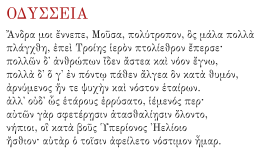
- βοήθεια /bo.ɛ̌ː.tʰeː.a/: aid, help.
- βοηθέω /bo.ɛː.tʰé.ɔː/, βοηθῶ: (with the dative case) to help somebody; come to aid, succour, assist, aid.

- iŭvō, -āre, -ūuī, -ūtum; adiŭvō &c.: dare adiumentum sive auxilium.
- De nya värktabletterna hjälpte verkligen. – “The new pain killer pills really eased the pain.”
- Om ni har något problem så fråga mig om hjälp. – “If you have any difficulty, ask me for help.”
- Jag behöver inte din hjälp. – “I don’t need your help.”
- Paula måste hjälpa hennes pappa i köket. – “Paula has to help her father in the kitchen.”
- Jag har många vänner som hjälper mig. – “I have a lot of friends to help me.”
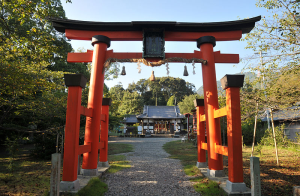
- 他人を助けることは自分を助けること。 [たにん を たすける こと は じぶん を たすける こと。] – “To help others is to help yourself.”
- 人を助ける者は、今度は人から助けられるであろう。 [ひと を たすける もの は 、 こんど は ひと から たすけられる で あろう 。] “He who helps others, in turn shall be helped by them.”
- 助けを求めない人を助けるのが難しいです。 [たすけ を もとめ ない ひと を たすける の が むずかしい です 。] – “It’s difficult to help people when they don’t want your help.”
- 今後、あなたの仕事を手伝うようにしましょう。 [こんご 、 あなた の しごと を てつだう よう に しましょう 。] – “From now on, I’ll try to help you with the work.”
- 彼は喜んであなたを手伝うでしょう。 [かれ は よろこんで あなた を てつだう でしょう 。] – “He will be pleased to help you.”
- Hon är nyfiken på att få reda på vem det var som skickade blommorna. “She’s curious to find out who sent the flowers.”
- Var inte så nyfiken! “Don’t be so curious!”
- Sluta vara så nyfiken. “Stop being so curious.”
- -Vad är det som händer i grottan? Jag är nyfiken. -Jag har ingen aning. “-What’s going on in the cave? I’m curious. -I have no idea.”
Learn all the Languages!
