

Tutte le Ferrari di Alonso 🙂
Gli onboard di tutte le Ferrari guidate da Fernando Alonso dal 2010 al 2014.

Svenska – 2015-12-02
Tappa, förlora (to forget)
- förlora:
- Han har förlorat sitt visum.
- Vi förlorade spelet.
- Jag förlorade medvetandet.
- Jag förlorade allt.
- Jag förlorade tålamodet.
- De förlorade igen.
- Han förlorade synen.
- Du har förlorat koncentrationsförmågan.
- Han förlorar aldrig hoppet.
- Jag förlorade min motivation.
- Hur mycket förlorade jag?
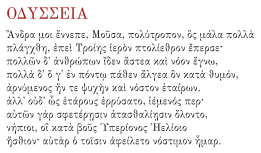
Ἑλληνική – 2015-12-01
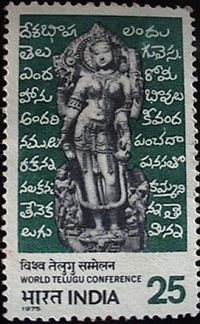
తెలుగు – 2015-11-30

中文 – 2015-11-30

ქართული – 2015-11-29
ภาษาไทย vs. 中文
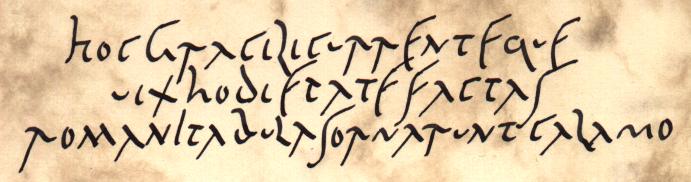
LATINA – 2015-11-27

Русский: должен vs. мочь
| должен “must” | мочь “may”, “can” | |
| я | должен, должна, должно | могу |
| ты | можешь | |
| он | может | |
| мы | должны | можем |
| вы | можете | |
| они | могут |
Compare the corresponding verbs in Čeština & Slovenčina.

Čeština: muset vs. moci
Two verbs in Čeština that I usually mix up:
| musit / muset “must” | moci “may”, “can” | |
| já | musím | mohu, můžu |
| ty | musíš | můžeš |
| on | musí | může |
| my | musíme | můžeme |
| vy | musíte | můžete |
| oni | musí / musejí | mohou, můžou |
Compare the corresponding verbs in Slovenčina & Русский.