מדולינגו:
(Also check my previous post.)
Choose the correct translation in עברית :
1. They are women.
- a. הם גברים.
- b. הן גברים.
- c. הם נשים.
- d. אתן נשים.
- e. הן נשים.
2. We are the children.
->Click here to check your answers!<-
- a. אנחנו ילדים.
- b. אנחנו הילדים.
- c. אתן הילדים.
- d. אנחנו הגברים .
3. men and women
- a. גברים ונשים
- b. נשים וילדים
- c. ילדים וגברים
- d. הנשים והגברים
4. They are men.
- a. הן נשים.
- b. אנחנו הגברים.
- c. אתן נשים.
- d. הם גברים.
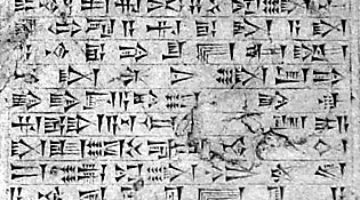
𒀝𒅗𒁺𒌑 – 2017-06-02
Türkçe – 2017-06-01
Duolingodan:
Translate these sentences:
| 1. | Senin işin yok. |
Correct answers: |
| 2. | Polisler genç. |
Correct answers: |
| 3. | O asker çay içer. |
Correct answer: |
| 4. | Şarkıcılar ekmek yer. |
Correct answer: |
| 5. | Bu iş onun. |
Correct answer: |
Русский – 2017-06-01
From Duolingo:
Match the columns:
| Русский | English |
|---|---|
| много кошек | many girls |
| много девочек | my birds |
| много уток | many ducks |
| много тарелок | many plates |
| моя мышь | many cats |
| мои птицы | my hen |
| моя курица | my mouse |
| Correct answers: | |
| Русский | English |
|---|---|
| много кошек | many cats |
| много девочек | many girls |
| много уток | many ducks |
| много тарелок | many plates |
| моя мышь | my mouse |
| мои птицы | my birds |
| моя курица | my hen |
తెలుగు – 2017-06-01
Ελληνικά – 2017-05-29
Από το Duolingo:
Match the Columns:
| Ελληνικά | English |
|---|---|
| ψωμί | spoon |
| τυρί | beer |
| τομάτα, ντομάτα | food |
| αγγούρι | bon appetit |
| κρεμμύδι | knife |
| σαλάτα | wine |
| φαγητό | onion |
| σουβλάκι, καλαμάκι | cucumber |
| γύρος | suvlaki |
| κουτάλι | cheese |
| μαχαίρι | fork |
| πιρούνι | a glass of |
| πιάτο | tomato |
| καλή όρεξη | gyros |
| ένα ποτήρι | bread |
| νερό | water |
| κρασί | ouzo |
| μπίρα, μπύρα | dish, plate |
| ούζο | salad |
| Correct answers: | |
| Ελληνικά | English |
|---|---|
| ψωμί | bread |
| τυρί | cheese |
| τομάτα, ντομάτα | tomato |
| αγγούρι | cucumber |
| κρεμμύδι | onion |
| σαλάτα | salad |
| φαγητό | food |
| σουβλάκι, καλαμάκι | suvlaki |
| γύρος | gyros |
| κουτάλι | spoon |
| μαχαίρι | knife |
| πιρούνι | fork |
| πιάτο | dish, plate |
| καλή όρεξη | bon appetit |
| ένα ποτήρι | a glass of |
| νερό | water |
| κρασί | wine |
| μπίρα, μπύρα | beer |
| ούζο | ouzo |
Deutsch – 2017-05-29
Aus Tatoeba:
- Deine Reifen sind hinüber. – Your tires are over.
- An deiner Stelle würde ich die Reifen schon wechseln. – In your place, I would change the tires already.
- Was kochst du zum Mittagessen? – What are you cooking for lunch?
𓂋𓏺𓈖𓆎𓅓𓏏𓊖 – 2017-05-29
From Gardiner’s book
L. III – Sentences (p. 38-43)


- Dd.f n.f – He said to himself


- sn n.k qrwt Ds.sn – The bolts open to you by themselves.


- iw.n m pr.f – We are in his house


- rS sS iw.n m pr.f – The scribe rejoices when we are in his house.


- iw.k m sS – You are a scribe.


- iw nDs pn m sS – This commoner is a scribe.


- sDm sS – The scribe hears.


- sDm.tw r pn – This utterance is heard.


- rx.tw.f – He is known.


- Dd.s n.f – She says to him.


- Dd n.f sS – The scribe says to him.


- Dd.tw n.f r pn – This utterance is said to him.


- iw grt ra m pt – Now the sun is in the sky.


- Dd.tw r pn an s – This utterance is said by a man.


- hAb.k sS Dd.f sxr.k – You send the scribe that he may say your plan.


- hAb.k sS – May you send the scribe.


- ix Dd sr – Then the official will say.


- ix D:d.k n sA.k – Then you shall say to your son.
ქართული – 2017-05-28
Match the Columns:
| ქართული | English |
|---|---|
| დილა მშვიდობისა! | Hello my friend! |
| გამარჯობა ! | How are you? (polite) |
| საღამო მშვიდობისა ! | And you? (polite) |
| მობრძანდით! | Good morning! |
| სალამი ჩემო მეგობარო! | Welcome! (to greet someone) |
| როგორა ხარ? | I’m fine, thank you! |
| როგორ ბრძანდებით? | How are you? (friendly) |
| გმადლობთ, კარგად! | And you? (friendly) |
| და შენ? | Good evening! |
| და თქვენ? | Good afternoon! |
| Correct answers: | |
| ქართული | English |
|---|---|
| დილა მშვიდობისა! | Good morning! |
| გამარჯობა ! | Good afternoon! |
| საღამო მშვიდობისა ! | Good evening! |
| მობრძანდით! | Welcome! (to greet someone) |
| სალამი ჩემო მეგობარო! | Hello my friend! |
| როგორა ხარ? | How are you? (friendly) |
| როგორ ბრძანდებით? | How are you? (polite) |
| გმადლობთ, კარგად! | I’m fine, thank you! |
| და შენ? | And you? (friendly) |
| და თქვენ? | And you? (polite) |
Ἑλληνική – 2017-05-26
From Wikipedia:
Match the sentences:
| Ἑλληνική | English |
|---|---|
| Ὅμηρός τε καὶ Ἡσίοδος ταὐτὰ λέγετον. | You are always saying the same things, Socrates! |
| πολλά γε ἔτη ἤδη εἰμὶ ἐν τῇ τέχνῃ | I swear by all the gods! |
| τὸ πλοῖον ἧκεν ἐν ᾧ ἐπῑ́νομεν | Homer and Hesiod both say the same things. |
| ὄμνυμι πάντας θεούς | “O Socrates”, he said, “have you woken up, or are you sleeping?” |
| τὸν ἄνδρα ὁρῶ | I see the man! |
| ἀεὶ ταὐτὰ λέγεις, ὦ Σώκρατες | I have been (lit. I am) in the business for many years now. |
| “ὦ Σώκρατες,” ἔφη, “ἐγρήγορας ἢ καθεύδεις;” | He hurls himself at him and wounds him. |
| ῑ̔́ετο ἐπ’ αὐτὸν καὶ τιτρώσκει | The boat arrived in which we had (earlier) been drinking. |
| Correct answers: | |
| Ἑλληνική | English |
|---|---|
| Ὅμηρός τε καὶ Ἡσίοδος ταὐτὰ λέγετον. | Homer and Hesiod both say the same things. |
| πολλά γε ἔτη ἤδη εἰμὶ ἐν τῇ τέχνῃ | I have been (lit. I am) in the business for many years now. |
| τὸ πλοῖον ἧκεν ἐν ᾧ ἐπῑ́νομεν | The boat arrived in which we had (earlier) been drinking. |
| ὄμνυμι πάντας θεούς | I swear by all the gods! |
| τὸν ἄνδρα ὁρῶ | I see the man! |
| ἀεὶ ταὐτὰ λέγεις, ὦ Σώκρατες | You are always saying the same things, Socrates! |
| “ὦ Σώκρατες,” ἔφη, “ἐγρήγορας ἢ καθεύδεις;” | “O Socrates”, he said, “have you woken up, or are you sleeping?” |
| ῑ̔́ετο ἐπ’ αὐτὸν καὶ τιτρώσκει | He hurls himself at him and wounds him. |