


Esperanto – 2016-08-28
Shqip – 2016-08-28
- Çfarë keni bërë me të gjitha librat?
- Ne nuk i kemi shitur librat askujt.
- Ne u kemi dhënë libra fëmijëve.
- Sa herë e kishte parë djali këtë film?
- Djali e kishte parë atë film disa herë.
- Djali nuk e kishte parë atë film vetëm një herë.
- Çfarë do të bëjnë ata atje?
- Ata ndoshta do të bëjnë një favor për ne.
- Ata kurrë nuk do të na braktisin.
- Ku do të donte të qëndronte miku yt?
- Miku im me siguri do të donte të qëndronte në shtëpi me familjen e tij.
- Miku im nuk do të donte të dilte me ty.
- Çfarë duhet të bëj nesër?
- Ju nesër do të vini në shtëpinë tonë për darkë.
- Nuk do të studioni gjithë natës.
Español – 2016-08-26

ภาษาไทย – 2016-08-25
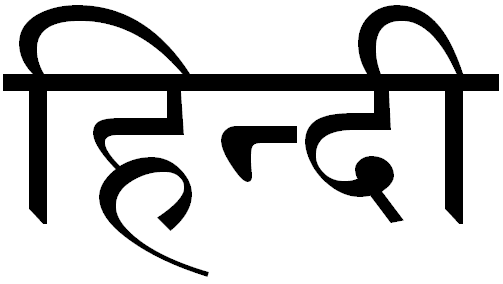
हिन्दी / اُردُو – 2016-08-25

Nederlands – 2016-08-25
Translate to Nederlands:
| 1. | We read the menus. |
Correct answers: |
| 2. | You have the strawberries.. |
Correct answer: |
| 3. | Cows don’t eat apples. |
Correct answer: |
| 4. | Sheep and a dog drink milk. |
Correct answer: |
| 5. | The boy eats strawberries. |
Correct answer: |
| 6. | The turtles are animals. |
Correct answer: |

Deutsch – 2016-08-24
- das Korn / die Körner: Getreide; einzelner, sehr stärkehaltiger Samen verschiedener Getreidesorten; kleines, festes, annähernd rundes Objekt; winzige Menge von etwas, auch im übertragenen Sinne.
- das Korn / die Korne: Einrichtung zum Zielen über den Lauf bei Schusswaffen
- der Korn / die Korn, die Körner: alkoholisches Getränk, klar und hochprozentig
Beispiele:
- Das Korn reift auf dem Felde.
- „Indem er auf eigene Kosten einen 28 Meter langen Kai hatte bauen lassen, von dem aus Korn in kleine Leichter verladen werden kann, hatte Robert Billy dokumentiert, wie sehr ihm daran gelegen war, dass der Getreidehandel der Stadt Vannes weiter expandierte.“
- Körner sind die Hauptnahrung von vielen Singvögeln.
- Ich bekam ein Sandkorn ins Auge.
- Ein Körnchen Wahrheit findet sich immer darin.
- Gezielt wird über Kimme und Korn.
- „Da versuchten wir die Korne zum Zielen abzuschlagen.“
- Korn trinkt man aus kleinen Gläsern.
- Bitte noch zwei Korn!
- Der schüttet die Körner nur so in sich rein!
- „Die eine oder andere Lage Korn, gemischt mit einigen Bierchen, versetzt die Stehenden hinter der Theke in immer bessere Stimmung.“

中文 – 2016-08-22
Universal Declaration of Human Rights (Article 1)
人人生而自由﹐在尊嚴和權利上一律平等。
Vocabulary
- 人人 (ㄖㄣˊ ㄖㄣˊ) – everyone
- 生而 (ㄕㄥㄦˊ) – to be born
- 自由 (ㄗˋ ㄧㄡˊ) – free; unconstrained
- 在 (ㄗㄞˋ) – in, at
- 尊嚴 (ㄗㄨㄣ ㄧㄢˊ) – dignity
- 和 (ㄏㄜˊ) – and
- 權利 (ㄑㄩㄢˊ ㄌㄧˋ) – power and wealth; right; entitlement
- 上 (ㄕㄤˋ) – within; in; from the standpoint of; according to
- 一律 (ㄧ ㄌㄩˋ) – equally; without exception
- 平等 (ㄆㄧㄥˊ ㄉㄥˇ) – equal

עברית – 2016-08-21
מדולינגו:
- ילד אוכל תפוח – A boy eats an apple.
- הילד אוכל תפוח – The boy eats an apple.
- ילד אוכל את התפוח – A boy eats the apple.
- הילד אוכל את התפוח – The boy eats the apple.
- הילד אוכל את יוסי – The boy eats Yossi!
- היא רוצָה את היין. – She wants the wine.
- אני רוצֶה מלח – I want salt
- אין לי שמן, סליחה – I do not have oil, Sorry.
- אני אוכל ארוחת ערב. – I am having dinner.
- ארוחת בוקר או ארוחת צהריים? – Breakfast or lunch?
- יש להן לימון – They have a lemon.
- זה לא בקבוק. – This is not a bottle.
- אנחנו רוצות ארוחת ערב. – We want dinner.
- אני שותָה את היין. – I drink the wine.
- אני שותה את היין. – I drink the wine.
- אני לא אוהב שמן. – I don’t like oil.
- שמן , מלח ולימון. – Oil, salt and lemon.
- אנחנו אוכלים לימון טעים. – We are eating a tasty lemon.
- הם אוכלים ארוחת בוקר. – They eat breakfast.
- אתה רוצֶה ארוחת צהריים? – Do you want lunch?
- בקבוק מים – a bottle of water
- אנחנו אוכלים ארוחת צהריים. – We are having lunch.