Français – 2016-08-10

Language Checklist – Français – p. 1

  • Êtes-vous étudiant?
    1. Oui, je suis étudiant.
    2. Non, je ne suis pas étudiant.
  • Où est-ce que je suis en train d’aller maintenant?
    1. Vous êtes en train d’aller à l’école.
    2. Vous n’êtes pas en train d’aller au travail.
  • Qu’est-ce qu’il nous disait?
    1. Il nous disait de bonnes choses.
    2. Il ne vous disait pas de mauvaises choses.
  • Qui est-ce que sait tout sur la Science?
    1. Elle ne sait pas tout sur la Science.
    2. Mais elle sait tout sur l’Histoire.
  • Comment est-ce que ça ressemblait?
    1. Ça ne semblait pas bien.
    2. En fait, ça semblait terrible.

 

Čeština – 2016-08-06

  • Za těchto okolností nemohu tu nabídku přijmout. – Under these circumstances, I cannot accept the offer.
  • Můj dědeček byl zraněn ve válce. – My grandfather was wounded in the war.
  • Nemusela jsi tak spěchat. – You didn’t have to hurry so much.
  • Paul je přesný, jak hodinky. – Paul is punctual like a clock.
  • Prosím smaž tento soubor. – Please delete this file.

Ελληνικά – 2016-08-05

From Duolingo:

  • Εγώ τρώω μεσημεριανό. – I have lunch. / I am having lunch.
  • Εγώ περιμένω μωρό. – I am having a baby.
  • Εγώ διασκεδάζω. – I have fun. / I am having fun.
  • Αυτός παθαίνει εγκεφαλικό. – He is having a stroke.
  • Εγώ πίνω μια μπύρα. – I am having a beer.
  • Εγώ πίνω ένα ποτό. – I am having a drink.
  • Έχω πονοκέφαλο. – I have a headache. /I’m having a headache.
  • Έχω πρόβλημα με αυτό. – I’m having trouble with this.
  • Εμείς έχουμε ρούχα. – We have clothes.
  • Αυτές είναι γάτες. – They are cats.
  • Αυτοί έχουν ένα παλτό. – They have a coat.
  • Εσύ έχεις μία γάτα. – You have a cat.
  • Εσείς έχετε άλογα. – You have horses.
  • Είμαστε χελώνες . – We are turtles.
  • Εμείς έχουμε ένα μήλο. – We have an apple.
  • Αυτοί είναι άντρες. – They are men.
  • Αυτή είναι μία πίτσα. – This is a pizza.
  • Αυτά έχουν ένα παλτό. – They have a coat.
  • Εσύ είσαι ένα παιδί. – You are a kid.
  • Εμείς έχουμε ένα καρπούζι. – We have a watermelon.


Türkçe – 2016-08-05

Duolingodan:


    • polis – police
    • sekreter – secretary
    • sanatçı – artist
    • kariyer – career
    • Senin işin yok. – You have no job.
    • Polisler genç. – The policemen are young.
    • O asker çay içer. – That soldier drinks tea.
    • Şarkıcılar ekmek yer. – Singers eat bread.
    • Bu iş onun. – This is his job.
    • Bu onun mesleği. – This is his profession.
    • O iyi bir sekreterdir. – He is a good secretary.
    • Yaşlı adam işsiz ve çok hasta. – The old man is unemployed and very sick.
    • Bu benim işim. – This is my job.
    • Ressam sanatçıdır. – A painter is an artist.
    • Duo bir asker değil. – Duo is not a soldier.


עברית – 2016-08-05

מדולינגו:

הן נשים. They are women.
הם גברים. They are men.
הנשים והגברים the women & the men.
אנחנו נשים והם גברים. We are women and they are men.
ילדים וגברים children & men
נשים רואות, גברים לא רואים. Women see, men don’t see.
אתן נשים. You are women.
אתם גברים . You are men.
אנחנו גברים ואתן נשים. We are men and you are women.
אני אשה ואתם גברים. I am a woman and you are men.
אנחנו רואים / אנחנו רואות . We see.
אנחנו נשים והם גברים. We are women and they are men.
אנחנו הילדים. We are the children.
גברים ונשים men & women
נשים וילדים women & children
אנחנו הגברים. We are the men.


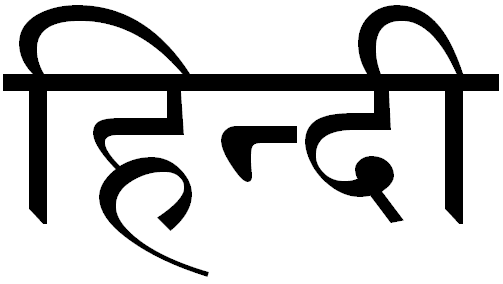
हिन्दी / اُردُو‎ – 2016-08-02

From tatoeba.org:


  • टॉम ने मेरे लिये चाय बनाई। – Tom made tea for me.
  • मैंने उसे गुस्सा कर दिया है। – I have made him angry.
  • हैलो? – Hello?
  • बस हुक्म दीजिए। – Just give the order.
  • किसी निर्दोष को दंडित करने से बेहतर है एक दोषी व्यक्ति को बख़्श देने का जोख़िम उठाना। – It is better to risk saving a guilty man than to condemn an innocent one.
  • टॉम और मैरी अभी एक-दूसरे से बात नहीं करते. – Tom and Mary don’t talk to each other anymore.
  • पिछले साल मैं टॉम को जानता नहीं था। – I didn’t know Tom last year.
  • वे लोग मुझे मार डालेंगे। – They will kill me.
  • क्योंकि ख़ुशी का कोई अस्तित्व नहीं है, हमें उसके बिना खुश रहने का प्रयत्न करना चाहिए – Since happiness doesn’t exist, we have to strive to be happy without it.
  • स्टेला सचमुच मर गईं हैं! – Stella really is dead!

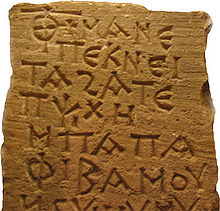
ⲧⲙⲛ̄ⲧⲣⲙ̄ⲛ̄ⲕⲏⲙⲉ – 2016-08-02

Preposition “of”

  • ⲛ̄, ⲙ̄: primary form
  • ⲛ̄ⲧⲉ – (fairly rare), optionally used to express appartenance, natural relation of part to whole, component to system, offspring to source.

Examples:

  • ⲧⲙⲁⲁⲩⲛ̄ⲓ̄ⲥ̄ – the mother of Jesus, Jesus’ mother
  • ⲡⲏⲓ̈ⲛ̄ⲟⲩⲡⲣⲟⲫⲏⲧⲏⲥ – the house of a prophet, a certain prophet’s house
  • ϩⲉⲛϣⲏⲣⲉⲛ̄ⲧⲉⲓ̈ⲥϩⲓⲙⲉ – children of this woman, some of this woman’s children
  • ϩⲉⲛϣⲏⲣⲉⲛ̄ⲧϩⲙ̄ϩⲁⲗ – children of the maidservant, some of the maidsert’s children
  • ⲡⲏⲓ̈ⲙ̄ⲡϫⲟⲉⲓⲥ – the house of the Lord, the Lord’s house
  • ⲡϫⲟⲉⲓⲥⲙ̄ⲡⲏⲓ̈ – the lord of the house, the house’s owner
  • ⲡϫⲟⲉⲓⲥⲙ̄ⲡⲉⲟⲟⲩⲙⲛ̄ⲡⲧⲁⲉⲓⲟ – the Lord of glory and honor
  • ⲧϭⲟⲙⲙ̄ⲡⲉⲟⲟⲩⲛ̄ⲧⲙⲛ̄ⲧⲣ̄ⲣⲟⲙ̄ⲡϫⲟⲉⲓⲥ – the power of the glory of the kingdom of the Lord
  • ⲙ̄ⲙⲉⲗⲟⲥⲛ̄ⲧⲉⲡⲥⲱⲙⲁ – the parts of the body
  • ⲟⲩⲡⲟⲗⲓⲥⲛ̄ⲧⲉⲧⲅⲁⲗⲓⲗⲁⲓⲁ – a city of Galilee
  • ⲡⲉⲓ̈ⲟⲩϫⲁⲓ̈ⲛ̄ⲧⲉⲡⲛⲟⲩⲧⲉ – this salvation from God

Learn all the Languages!