All posts by panglossa

עברית – 2016-08-05

מדולינגו:

הן נשים. They are women.
הם גברים. They are men.
הנשים והגברים the women & the men.
אנחנו נשים והם גברים. We are women and they are men.
ילדים וגברים children & men
נשים רואות, גברים לא רואים. Women see, men don’t see.
אתן נשים. You are women.
אתם גברים . You are men.
אנחנו גברים ואתן נשים. We are men and you are women.
אני אשה ואתם גברים. I am a woman and you are men.
אנחנו רואים / אנחנו רואות . We see.
אנחנו נשים והם גברים. We are women and they are men.
אנחנו הילדים. We are the children.
גברים ונשים men & women
נשים וילדים women & children
אנחנו הגברים. We are the men.


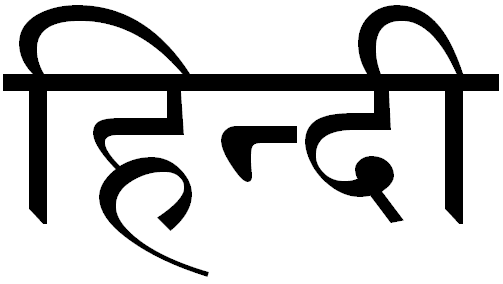
हिन्दी / اُردُو‎ – 2016-08-02

From tatoeba.org:


  • टॉम ने मेरे लिये चाय बनाई।Tom made tea for me.
  • मैंने उसे गुस्सा कर दिया है।I have made him angry.
  • हैलो?Hello?
  • बस हुक्म दीजिए।Just give the order.
  • किसी निर्दोष को दंडित करने से बेहतर है एक दोषी व्यक्ति को बख़्श देने का जोख़िम उठाना।It is better to risk saving a guilty man than to condemn an innocent one.
  • टॉम और मैरी अभी एक-दूसरे से बात नहीं करते.Tom and Mary don’t talk to each other anymore.
  • पिछले साल मैं टॉम को जानता नहीं था।I didn’t know Tom last year.
  • वे लोग मुझे मार डालेंगे।They will kill me.
  • क्योंकि ख़ुशी का कोई अस्तित्व नहीं है, हमें उसके बिना खुश रहने का प्रयत्न करना चाहिए Since happiness doesn’t exist, we have to strive to be happy without it.
  • स्टेला सचमुच मर गईं हैं!Stella really is dead!

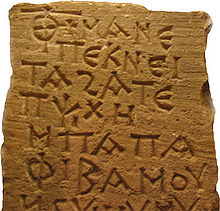
ⲧⲙⲛ̄ⲧⲣⲙ̄ⲛ̄ⲕⲏⲙⲉ – 2016-08-02

Preposition “of”

  • ⲛ̄, ⲙ̄: primary form
  • ⲛ̄ⲧⲉ (fairly rare), optionally used to express appartenance, natural relation of part to whole, component to system, offspring to source.

Examples:

  • ⲙⲁⲁⲩⲛ̄ⲓ̄ⲥ̄the mother of Jesus, Jesus’ mother
  • ⲏⲓ̈ⲛ̄ⲟⲩⲡⲣⲟⲫⲏⲧⲏⲥthe house of a prophet, a certain prophet’s house
  • ϩⲉⲛϣⲏⲣⲉⲛ̄ⲧⲉⲓ̈ⲥϩⲓⲙⲉ children of this woman, some of this woman’s children
  • ϩⲉⲛϣⲏⲣⲉⲛ̄ⲧϩⲙ̄ϩⲁⲗ children of the maidservant, some of the maidsert’s children
  • ⲏⲓ̈ⲙ̄ⲡϫⲟⲉⲓⲥ the house of the Lord, the Lord’s house
  • ϫⲟⲉⲓⲥⲙ̄ⲡⲏⲓ̈ the lord of the house, the house’s owner
  • ϫⲟⲉⲓⲥⲙ̄ⲡⲉⲟⲟⲩⲙⲛ̄ⲡⲧⲁⲉⲓⲟ the Lord of glory and honor
  • ϭⲟⲙⲙ̄ⲡⲉⲟⲟⲩⲛ̄ⲧⲙⲛ̄ⲧⲣ̄ⲣⲟⲙ̄ⲡϫⲟⲉⲓⲥ the power of the glory of the kingdom of the Lord
  • ⲙ̄ⲙⲉⲗⲟⲥⲛ̄ⲧⲉⲡⲥⲱⲙⲁ the parts of the body
  • ⲟⲩⲡⲟⲗⲓⲥⲛ̄ⲧⲉⲧⲅⲁⲗⲓⲗⲁⲓⲁ a city of Galilee
  • ⲡⲉⲓ̈ⲟⲩϫⲁⲓ̈ⲛ̄ⲧⲉⲡⲛⲟⲩⲧⲉ this salvation from God

ქართული – 2016-08-01

  • გაგიმარჯოს! როგორ ხარ?
  • კარგად ვარ, ცოტა დაღლილი

Vocabulary:

  • გაგიმარჯოს: hello
    • გამარჯვება: victory
  • ცოტა: lightly, a little; few; few people
  • დაღლილი: tired, weary, fatigued, tired, wearied

فارسی – 2016-08-01

Match the columns:

EnglishFarsi
How are you? (informal) خدا حافظ
How are you? (formal) خدافظ
Good morning صبح بخیر
Good night چطوری؟
Goodbye (formal) شب بخیر
Goodbye (informal) حال شما چطور؟
Correct answers:
EnglishFarsi
How are you? (informal)چطوری؟
How are you? (formal) حال شما چطور؟
Good morningصبح بخیر
Good nightشب بخیر
Goodbye (formal)خدا حافظ
Goodbye (informal)خدافظ
->Click here to check your answers!<-

Kiswahili – 2016-07-30

From Duolingo:

  • Wana chakula.They have food.
  • Hawana wanafunzi.They don’t have students.
  • Huna misumari.You don’t have nails.
  • Hana mikuki.He doesn’t have spears.
  • Hatuna matunda.We don’t have fruit.
  • Sina chakula.I don’t have food.
  • Ana maembe.He has mangoes.
  • Una machungwa.You have oranges.
  • Hana watoto.He doesn’t have children.
  • Sina mtoto.I don’t have a baby.
  • Hatuna ndizi leo.We don’t have bananas today.
  • Wana matunda.They have fruit.
  • Huna mipira.You don’t have balls.
  • Hawana wazazi.They don’t have parents.
  • Hatuna nyama ya mbuzi.We don’t have goat meat.
  • Wana meza.They have a table.


Svenska – 2016-07-30

From Duolingo:

  • Farmor och morfar kommer.
  • Jag heter Björn.
  • Jag har flera fastrar.
  • Min svärson pratar mycket.
  • Din mor har en restaurang.
  • Är hon hennes farmor?
  • Ett bröllop , flera bröllop
  • Min far äter inte kött.
  • Min pappas bror är min farbror.
  • Min svärfar är min frus far och min far är hennes svärfar.
  • Jag stöttar min svärdotter.
  • Jag tycker om min mans svärmor.
  • Min faster är min pappas syster.
  • Är hon hennes mormor?