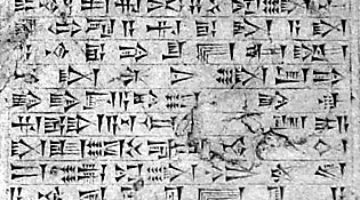
Cuneiform Writing: Simple Syllables
-Vowel + Ḫ
- 𒄴 – aḫ, eḫ, iḫ, uḫ
- 𒋀 – áḫ
- 𒌔 – úḫ

From Duolingo:
Duolingo‘dan:
| 1. | Ben gazete okurum. |
Correct answers: |
| 2. | Ben gazeteyi okurum. |
Correct answer: |
| 3. | Ben bir gazete okurum. |
Correct answer: |
| 4. | Sen gazeteyi okursun. |
Correct answer: |
| 5. | Ben çileği yerim. |
Correct answer: |
| 6. | Evet, yoğurdu ve ekmeği yeriz. |
Correct answer: |
From Gardiner’s book
L. III – Exerc. III – a (p. 43/44)
 |  |  |  |  |   |
 |  |  | | |  |  |
 |
|  |  |
 |  |  | |
|  |
 |  |  | |  |
 | |  |  |
|
 |  |  | |
|   |
| | |  |
|
|
|
 |  | | |
|  | | |
|  |  | |  | |
 | |
מדולינגו:
(See also a my previous post.)
(First click on an English sentence on the left column, then click on the matching עברית sentence on the left column. When you are done, click the link below to check your answers.)
| English | עברית |
|---|---|
| How are you? | תודה |
| Morning or night? | מה שלומךְ? |
| Tal doesn’t speak English. | את בסדר? |
| I’m fine. | אני בסדר. |
| Thank you, good luck. | שלום, מה שלומך? |
| My name is not Yossi. | שלום , קוראים לי יוסי. |
| You are welcome. | בוקר או לילה? |
| Enjoy your meal! | לא קוראים לי יוסי. |
| Hello, my name is Yossi. | בהצלחה! |
| Thank you very much, bon appetit. | סליחה |
| Hello, how are you? | תודה , בהצלחה! |
| Good luck! | אין בעד מה. |
| Good morning or good night? | תודה רבה, בתיאבון. |
| thanks | בוקר טוב או לילה טוב? |
| I’m sorry | בוקר יפֶה. |
| Are you ok? | בתיאבון! |
| A beautiful morning. | טל לא מדבר אנגלית. |
| Correct answers: | |
| English | עברית |
|---|---|
| How are you? | מה שלומךְ? |
| Morning or night? | בוקר או לילה? |
| Tal doesn’t speak English. | טל לא מדבר אנגלית. |
| I’m fine. | אני בסדר. |
| Thank you, good luck. | תודה , בהצלחה! |
| My name is not Yossi. | לא קוראים לי יוסי. |
| You are welcome. | אין בעד מה. |
| Enjoy your meal! | בתיאבון! |
| Hello, my name is Yossi. | שלום , קוראים לי יוסי. |
| Thank you very much, bon appetit. | תודה רבה, בתיאבון. |
| Hello, how are you? | שלום, מה שלומך? |
| Good luck! | בהצלחה! |
| Good morning or good night? | בוקר טוב או לילה טוב? |
| thanks | תודה |
| I’m sorry | סליחה |
| Are you ok? | את בסדר? |
| A beautiful morning. | בוקר יפֶה. |
Από το Duolingo:
| English | Ελληνικά |
|---|---|
| I want a steak. | Το λουκάνικο έχει κέτσαπ. |
| The tomato and the cucumber. | Η τομάτα και το αγγούρι. |
| The hot dog has ketchup. | Το ροδάκινο είναι ένα νόστιμο φρούτο. |
| We have food and water. | Δεν τρώω κρέας, είμαι χορτοφάγος. |
| The peach is a delicious fruit. | Έχουμε τροφή και νερό. |
| I don’t eat meat, I am a vegetarian. | Θέλω μία μπριζόλα. |
| Correct answers: | |
| English | Ελληνικά |
|---|---|
| I want a steak. | Θέλω μία μπριζόλα. |
| The tomato and the cucumber. | Η τομάτα και το αγγούρι. |
| The hot dog has ketchup. | Το λουκάνικο έχει κέτσαπ. |
| We have food and water. | Έχουμε τροφή και νερό. |
| The peach is a delicious fruit. | Το ροδάκινο είναι ένα νόστιμο φρούτο. |
| I don’t eat meat, I am a vegetarian. | Δεν τρώω κρέας, είμαι χορτοφάγος. |
From Duolingo:
| 1. | Собаки едят всё. |
Correct answer: |
| 2. | Это наши львы! |
Correct answer: |
| 3. | У меня дома есть змея. |
Correct answer: |
| 4. | Где моя мышь? |
Correct answers: |
| 5. | Птицы не пьют молоко. |
Correct answers: |
| 6. | Курица |
Correct answers: |
->Click here to check your answers!<-
Από το Duolingo:
| English | Ελληνικά |
|---|---|
| This is my steak. | Αυτή είναι η μπριζόλα μου. |
| Ice cream is sweet. | Το αγόρι τρώει ένα λουκάνικο. |
| The boy is eating a hot dog. | Εγώ είμαι χορτοφάγος. |
| The salad has cucumber. | Ο χυμός ροδάκινο. |
| The peach juice. | Το παγωτό είναι γλυκό. |
| I am a vegetarian. | Η σαλάτα έχει αγγούρι. |
| The boy is eating an ice cream. | Το αγόρι τρώει ένα παγωτό. |
| Correct answers: | |
| English | Ελληνικά |
|---|---|
| This is my steak. | Αυτή είναι η μπριζόλα μου. |
| Ice cream is sweet. | Το παγωτό είναι γλυκό. |
| The boy is eating a hot dog. | Το αγόρι τρώει ένα λουκάνικο. |
| The salad has cucumber. | Η σαλάτα έχει αγγούρι. |
| The peach juice. | Ο χυμός ροδάκινο. |
| I am a vegetarian. | Εγώ είμαι χορτοφάγος. |
| The boy is eating an ice cream. | Το αγόρι τρώει ένα παγωτό. |
From Wikipedia:
| Ἑλληνική | English |
|---|---|
| ὁ λοχαγὸς ᾔδει ὅπου ἔκειτο ἡ ἐπιστολή | The captain knew where the letter was lying. |
| ἐστρατοπεδεύοντο ἑκάστοτε ἀπέχοντες ἀλλήλων παρασάγγην καὶ πλέον | And when dawn came, they began crossing the bridge. |
| ταῦτα πολὺν χρόνον οὕτως ἐγίγνετο | Throwing together their shields, they began shoving, fighting, killing, and dying. |
| συμβαλόντες τᾱ̀ς ἀσπίδας ἐωθοῦντο, ἐμάχοντο, ἀπέκτεινον, ἀπέθνῃσκον | Every night the (two armies) would camp a parasang or more apart from each other. |
| μετὰ τὸ δεῖπνον τὸ παιδίον ἐβόα | These things carried on like this for long time. |
| ἐπειδὴ δὲ ἕως ἐγένετο, διέβαινον τὴν γέφυραν | After dinner the baby began crying. |
| Correct answers: | |
| Ἑλληνική | English |
|---|---|
| ὁ λοχαγὸς ᾔδει ὅπου ἔκειτο ἡ ἐπιστολή | The captain knew where the letter was lying. |
| ἐστρατοπεδεύοντο ἑκάστοτε ἀπέχοντες ἀλλήλων παρασάγγην καὶ πλέον | Every night the (two armies) would camp a parasang or more apart from each other. |
| ταῦτα πολὺν χρόνον οὕτως ἐγίγνετο | These things carried on like this for long time. |
| συμβαλόντες τᾱ̀ς ἀσπίδας ἐωθοῦντο, ἐμάχοντο, ἀπέκτεινον, ἀπέθνῃσκον | Throwing together their shields, they began shoving, fighting, killing, and dying. |
| μετὰ τὸ δεῖπνον τὸ παιδίον ἐβόα | After dinner the baby began crying. |
| ἐπειδὴ δὲ ἕως ἐγένετο, διέβαινον τὴν γέφυραν | And when dawn came, they began crossing the bridge. |