
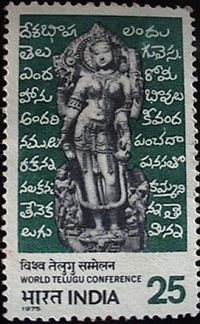
- పాప బిగ్గరగా ఏడ్చింది. – The baby cried loudly.
- రాముకి ఇవ్వు. – Give this to Ramu.
- సీత ఏలూరు ఎప్పుడు వెళ్తుంది? – When will Sita go to Eluru?
Category Archives: Languages

Svenska – 2016-12-03
I don’t have a horse.|Jag har ingen häst.
| 1. | I don’t have a horse. |
Correct answer: |
| 2. | Is there no food? Yes, there is. |
Correct answer: |
| 3. | Isn’t there any coffee? |
Correct answer: |
| 4. | Whose book is it? |
Correct answer: |
| 5. | When do you write? |
Correct answer: |
| 6. | My answer is yes. |
Correct answer: |
| 7. | Don’t you understand? Jes, I do. |
Correct answer: |

Shqip – 2016-12-02
- menjëherë: në atë çast, aty për aty; fill pas një veprimi, shpejt e shpejt, pa u zgjatur, pa kaluar kohë, sakaq; në të njëjtën kohë me një tjetër; bashkërisht, përnjëherë.
- çast: një periudhë kohe shumë e shkurtër, grimë, imtë, minutë.
- veprim: diçka që bëhet me një qëllim të caktuar.
- zgjatur: që vjen si i gjatë, gjatosh; që vijon a që bëhet për një kohë më të gjatë se zakonisht.
- sakaq: menjëherë, në atë çast; sakaq u ndez një flakë.
- njëjtën: që ka qenë ose që është përmendur njëherë; i barabartë; fare a shumë i ngjashëm a i afërt.

Cymraeg – 2016-12-02
From Duolingo:
Questions – Do you have, Do you own?
- Oes car gyda chi? – Do you have a car?
- Oes car gynnoch chi?
- Oes gynnoch chi gar?
- Oes gen ti gath? – Do you have a cat?
- Oes cath gydag Owen? – Does Owen have a cat?
- Oes ganddyn nhw gath? – Do they have a cat?
- Oes – yes
- Nac oes – no
- Oes gan Olwen gath? – Does Olwen have a cat?
- Nac oes, mae gynni hi ddau gi. – No, she has two dogs
Svenska – 2016-11-28
The question has no answer.|Frågan har inget svar.
| 1. | The question has no answer. |
Correct answer: |
| 2. | Whose dog is it? |
Correct answer: |
| 3. | He has no cat. |
Correct answer: |
| 4. | Where are you going? |
Correct answer: |
| 5. | Which socks are hers? |
Correct answer: |
| 6. | She has the answer. |
Correct answer: |
| 7. | The answer is no. |
Correct answer: |

العَرَبِية – 2016-11-27

עברית – 2016-11-25

संस्कृतम् – 2016-11-23
| कदा | सूनुः | पितरं | जात | इछाच्चक्रन |
| kadā | sūnuḥ | pitaraṃ | jāta | ichāccakrana |
| नाश्रु | वर्तयद्विजानन |
| nāśru | vartayadvijānana |
| को | दम्पती | समनसा | वि | यूयोदध |
| ko | dampatī | samanasā | vi | yūyodadha |
| यदग्निःश्वशुरेषु | दीदयत |
| yadagniḥśvaśureṣu | dīdayata |

Deutsch – 2016-11-20
Aus Tatoeba:
- Tom hat ein Eis mit Sahne gegessen. – Tom has eaten an ice cream with cream.
- „Möchtest du einen Apfel?“ – „Nein danke, ich habe schon zwei gegessen.“ – “Would you like an apple?” – “No thanks, I have already eaten two.”
- Wer hat dir denn so ein häßliches Auto verkauft? – Who sold you such an ugly car?

Ἑλληνική – 2016-11-19
From Wikipedia:
- κατέβην χθὲς εἰς Πειραιᾶ. – I went down yesterday to Peiraeus.
- ἧκεν ἐκείνη καὶ τὴν θύρᾱν ἀνέῳξεν. – She came back and opened the door.
- ἐφύλαττεν ἕως ἐξηῦρεν ὅ τι εἴη τὸ αἴτιον. – She kept watch until she found out what was the cause.
- ἐπεὶ δ’ ἐδείπνησαν, ἐξῆγε τὸ στράτευμα. – When they had dined, he led the army out.
- ἐκέλευσέ με τὴν ἐπιστολὴν ἣν ἔγραψα δοῦναι. – He ordered me to give him the letter which I had written.