


Cymraeg – 2018-01-17
O Duolingo:
- Dw i’n mwynhau gwylio ‘r mochyn a’r mwnci. – I enjoy watching the pig and the monkey.
- Dych chi eisiau copyn? Ydw. – Do you want a spider? Yes.
- Dw i’n hoffi’r gŵydd a’r hwyaden. – I like the goose and the duck.

Čeština – 2018-01-17
Od Duolingo:
- Bojí se toho všude. – They are afraid of it everywhere.
- Jsi doma? – Are you at home?
- Je tam František? – Is Frantisek there?
- My teď bydlíme jinde. – We live somewhere else now.
- Prodávají to někde? – Do they sell it anywhere?
- Velký bratr je všude. – Big Brother is everywhere.
- Já ji nikde nevidím. – I don’t see her anywhere.
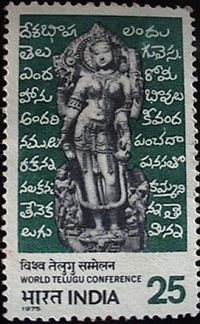
తెలుగు – 2018-01-15
In Telugu, ఏమి /ēmi/ or ఏమిటి /ēmiṭi/ corresponds to “what”. Ex.:
- ఏమి వచ్చినావు? /ēmi vaccināvu?/ – What have you come for?
- అది ఏమిటి? /adi ēmiṭi?/ – What is that?
- ఏమికతంబున ఎందునిమిత్తము? /Ēmikatambuna endunimittamu?/ – What is the reason for that?
- వాడు ఏమిటివాడు? /Vāḍu ēmiṭivāḍu?/ – What caste is he from?
- ఏమిటికి /ēmiṭiki/ – wherefore, for what reason
- ఏమిన్ని /ēminni/ – anything, whatever

中文 – 2018-01-12
From Duolingo:
- 你喜欢上網做什麼? – What do you like to do online?
- 她在家看报纸。– She reads the newspaper at home.
- 你在哪裏上班?– Where do you work?
- 我在學校學習漢語。– I study Chinese at school.
- 我哥哥在飯館吃飯。– My older brother is eating at the restaurant.
Vocabulary
- 喜歡 / 喜欢 [ㄒㄧˇ ㄏㄨㄢ] – to like, enjoy
- 上網 / 上网 [ㄕㄤˋ ㄨㄤˇ] – online
- 什麼 / 什么 [ㄕㄣˊ ㄇㄜ˙, ㄕㄜˊ ㄇㄜ˙] – what
- 報紙 / 报纸 [ㄅㄠˋ ㄓˇ] – newspaper
- 哪裏, 哪裡 / 哪里 [ㄋㄚˇ ㄌㄧˇ] – where
- 上班 [ㄕㄤˋ ㄅㄢ] – to work, to be on duty
- 學校 / 学校 [ㄒㄩㄝˊ ㄒㄧㄠˋ] – school
- 學習 / 学习 [ㄒㄩㄝˊ ㄒㄧˊ] – to study
- 漢語 / 汉语 [ㄏㄢˋ ㄩˇ] – Chinese
- 飯館 / 饭馆 [ㄈㄢˋ ㄍㄨㄢˇ] – restaurant
- 飯 / 饭 [ㄈㄢˋ] – cooked rice, food, meal
Cymraeg – 2018-01-11
From Duolingo:
- Dych chi eisiau buwch? – Do you want a cow?
- Un ceffyl ac un eliffant – A horse and an elephant
- Dw i’n bwyta pryfed. – I eat insects.
- Dych chi’n hoffi’r crwban a’r cranc? – Do you like the tortoise and the crab?
- buwch Owen – Owen’s cow
- hwyaden Megan – Megan’s duck
日本語 – 2018-01-11
Duolingoから:
- 三時間待ちました。 – I waited three hours.
- 電気を点けて下さい。 – Please turn on the light.
- 五分待ってください。 – Wait five minutes, please.
- 立って下さい。 – Please stand up.
- 電気を点けました。– I turned the lights on.
- 此処で待ちます。– I wait here.
- 窓を閉めて電気を点けて下さい。 – Please close the window and turn the light on.
- さあ、皆さん、立ちましょう。– Now, everybody, let’s stand up.
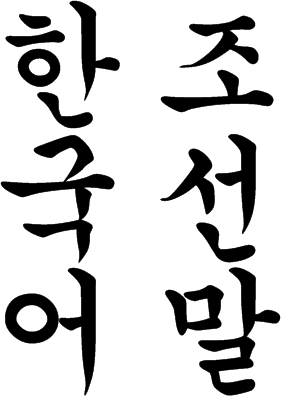
한국어 – 2018-01-09
Duolingo에서:
- 아이들이 조금 이야기합니다. – The children talk a little.
- 개와 고양이가 한국어로 대화합니다. – The dog and the cat talk in Korean.
- 저는 한국어를 잘합니다. – I speak Korean well.
- 아이들이 말합니다. – The children talk.
- 한국어와 영어 – Korean and English
- 저는 대화합니다. – I talk.
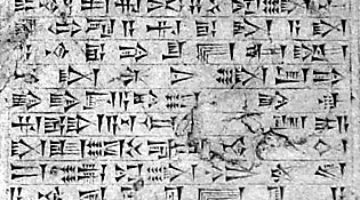
𒀝𒅗𒁺𒌑 – 2018-01-08 (Lesson 1 Exercise 4 – Answers)
Vocabulary & Exercises from Introduction to Akkadian (Caplice)
Lesson 1
Answers to Exercise 4
(See Vocabulary)
Read the cuneiform text:
- 𒀭𒊏𒁍𒌝 &
- 𒀭𒃲:
- ilum rabûm – (a/the) great god
- 𒀭𒈨𒌍𒃲𒈨𒌍:
- ilū rabûtum – (the) great gods
- 𒄿𒈾𒀭𒈨𒌍:
- ina ilī – among (the) gods
- 𒀀𒈾𒂍:
- ana bītim – to a/the house
- 𒄿𒈾𒀭𒈨𒌍𒃲𒈨𒌍:
- ina ilī rabûtim – among (the) great gods
- 𒀭𒃲𒃲:
- ilū rabûtum, ilī rabûtim – (the) great gods
- 𒀭𒈨𒌍:
- ilū, ilī – (the) gods
- 𒄿𒈾𒂍𒃲:
- ina bītim rabîm – in (a/the) great house
𒀝𒅗𒁺𒌑 – 2018-01-08 (Lesson 1 Exercise 4)
Vocabulary & Exercises from Introduction to Akkadian (Caplice)
Lesson 1
Exercise 4
(See Vocabulary)
Read the cuneiform text:
- 𒀭𒊏𒁍𒌝
- 𒀭𒃲
- 𒀭𒈨𒌍𒃲𒈨𒌍
- 𒄿𒈾𒀭𒈨𒌍
- 𒀀𒈾𒂍
- 𒄿𒈾𒀭𒈨𒌍𒃲𒈨𒌍
- 𒀭𒃲𒃲
- 𒀭𒈨𒌍
- 𒄿𒈾𒂍𒃲