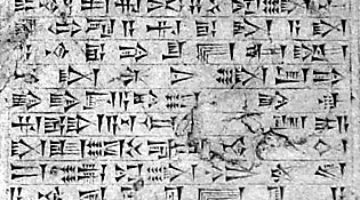
𒀝𒅗𒁺𒌑 – 2018-01-07 (Lesson 1 Exercise 2)

Vocabulary & Exercises from Introduction to Akkadian (Caplice)

Lesson 1

Exercise 2

(See Vocabulary)

  • 𒀀𒉿𒇴
  • 𒉿𒅈𒁴
  • 𒉌𒅆𒊷𒀊𒄩𒁴
  • 𒅈𒉆𒆏𒋫𒄠
  • 𒄭𒊒𒌝𒄀𒀉𒈠𒈝
  • 𒁍𒍑𒆠𒉿𒀸𒌅𒁴
  • 𒄿𒈾𒄭𒊑
  • 𒀭𒊏𒁍𒌝
  • 𒀸𒋗𒌝𒅕𒊑𒁴
  • 𒀭𒈨𒌍𒃲
  • 𒂼𒊏𒁉𒌈
  • 𒄿𒈾𒋫𒄠𒄩𒊑𒅎
  • 𒆠𒈠𒄿𒊭𒁴𒄑𒍣𒁴
  • 𒅕𒊑𒋫𒄠𒈠𒊒𒍑𒋫𒄠
  • 𒊑𒈬𒌝𒅗𒀜𒊒𒌝
  • 𒈗𒁕𒉏
  • 𒀸𒋗𒌝𒍣𒅗𒊑𒅎𒊭𒉌𒅎
  • 𒀀𒈾𒀸𒊑𒅎𒊭𒉌𒅎
  • 𒅖𒌅𒂍
  • 𒄿𒈾𒈠𒄴𒊑𒅎

(See Answers.)

𒀝𒅗𒁺𒌑 – 2018-01-06 (Lesson 1 Vocabulary)

Vocabulary & Exercises from Introduction to Akkadian (Caplice)

Lesson 1

Vocabulary

    • 𒀀𒈾 anato
    • 𒉆𒋳𒂵 (𒅈𒉏) arnumsin, crime
    • 𒆠 (𒀸𒊒𒌝) ašrumplace
    • 𒀸𒋗 aššu; 𒀸𒋗𒌝 aššumbecause of, concerning; because
    • 𒇽 (𒀀𒉿𒈝) awīlumman
    • 𒂍 (𒁉𒌈) bītumhouse
    • 𒆗 (𒁕𒀭𒉏) dannumstrong, powerful
    • 𒀾 (𒅕𒊑𒌈) erretumcurse, malediction
    • 𒄭𒄊 (𒄑𒍮) ezzumangry
    • 𒄀𒀉𒈠𒈝 gitmālumperfect, noble
    • 𒀭 (𒄿𒈝) ilumgod
    • 𒆗 (𒄿𒈾) inain, among, from, within, with (instr.)
    • 𒉈 (𒄿𒊭𒌈) išātumfire
    • 𒅖𒌅 ištufrom
    • 𒂂, 𒁁 (𒆏𒌈) kabtumheavy
    • 𒆐𒊒𒌝 kadrumwild, fierce
    • 𒆠𒈠 kīmaas, like; as, that, when
    • 𒅆 (𒈠𒄴𒊒𒌝) maḫrumfront
    • 𒈪𒉭𒌅𒊏 (𒈠𒅈𒋧) marṣumsick, difficult, painful
    • 𒌦𒈨𒌍 (𒉌𒋗) nišūpeople
    • 𒉽𒄬 (𒁍𒍑𒄣𒌝) pušqumdifficulty
    • 𒃲 (𒊏𒁍𒌝) rabûmgreat
    • 𒄞𒄠 (𒊑𒈬𒌝) rīmumwild bull
    • 𒄵 (𒊓𒀊𒄷𒌝) sapḫumscattered
    • 𒈫𒄭𒁁, 𒈫𒄭𒁁𒈠 (𒊭𒉏) šanûmsecond, other
    • 𒈗 (𒊭𒅈𒊒𒌝) šarrumking
    • 𒅆 (𒋫𒄠𒄩𒊒𒌝) tamḫārumbattle
    • 𒂼 (𒌝𒈬𒌝) ummummother
    • 𒀴 (𒉿𒅈𒁺𒌝) wardumslave, servant
    • 𒉿𒀸𒌈 wašṭumdifficult, hard, fierce
    • 𒍑 (𒍣𒅗𒊒𒌝) zikarum, (𒍨𒊒𒌝) zikrummale, man


𒀝𒅗𒁺𒌑 – 2018-01-05 (Lesson 1 Exercise 1 – Answers)

Vocabulary & Exercises from Introduction to Akkadian (Caplice)

Lesson 1

Answers to Exercise 1

(See Vocabulary)


šarrum “king” Singular Dual Plural
Nominative 𒊹𒊒𒌝 šarrum 𒊹𒊏𒀭 šarrān 𒊹𒊒 šarrū
Genitive 𒊹𒊑𒅎 šarrim 𒊹𒊑𒅔 šarrīn 𒊹𒊑 šarrī
Accusative 𒊹𒊏𒄠 šarram


šarratum “queen” Singular Dual Plural
Nominative 𒊹𒊏𒌈 šarratum 𒊹𒊏𒋫𒀭 šarratān 𒊹𒊏𒌈 šarrātum
Genitive 𒊹𒊏𒁴 šarratim 𒊹𒊏𒋾𒅔 šarratīn 𒊹𒊏𒁴 šarrātim
Accusative 𒊹𒊏𒋫𒄠 šarratam


erretum “curse” Singular Dual Plural
Nominative 𒅕𒊑𒌈 erretum 𒅕𒊑𒋫𒀭 erretān 𒅕𒊑𒌈 errētum
Genitive 𒅕𒊑𒁴 erretim 𒅕𒊑𒋾𒅔 erretīn 𒅕𒊑𒁴 errētim
Accusative 𒅕𒊑𒋫𒄠 erretam


dannum “strong”, “powerful” Masc. Singular Masc. Plural
Nominative 𒁕𒉡𒌝 dannum 𒁕𒉡𒌈 dannūtum
Genitive 𒁕𒉌𒅎 dannim 𒁕𒉡𒁴 dannūtim
Accusative 𒁕𒈾𒄠 dannam
Fem. Singular Fem. Plural
Nominative 𒁕𒈾𒌈 dannatum 𒁕𒈾𒌈 dannātum
Genitive 𒁕𒈾𒁴 dannatim 𒁕𒈾𒁴 dannātim
Accusative 𒁕𒈾𒋫𒄠 dannatam


ezzum “angry” Masc. Singular Masc. Plural
Nominative 𒄑𒍮 ezzum 𒄑𒍪𒌈 ezzūtum
Genitive 𒄑𒍣𒅎 ezzim 𒄑𒍪𒁴 ezzūtim
Accusative 𒄑𒍝𒄠 ezzam
Fem. Singular Fem. Plural
Nominative 𒄑𒍝𒌈 ezzatum 𒄑𒍝𒌈 ezzātum
Genitive 𒄑𒍝𒁴 ezzatim 𒄑𒍝𒁴 ezzātim
Accusative 𒄑𒍝𒋫𒄠 ezzatam


rubā’um > rubûm “prince” Singular Dual Plural
Nominative 𒊒𒁍𒌝 rubā’um> rubûm  𒊒𒁀𒀭 rubā’ān> rubân 𒊒𒁍 rubā’ū> rubû
Genitive 𒊒𒁉𒅎 rubā’im> rubêm  𒊒𒁉𒅔 rubā’īn> rubên
𒊒𒁉 rubā’ī> rubê
Accusative 𒊒𒁀𒄠 rubā’am> rubâm 


šanûm “second”, “other” Masc. Singular Masc. Plural
Nominative 𒊭𒉡𒌝 šanûm 𒊭𒉡𒌈 šanûtum
Genitive 𒊭𒉌𒅎 šanîm 𒊭𒉡𒁴 šanûtim
Accusative 𒊭𒈾𒄠 šanâm
Fem. Singular Fem. Plural
Nominative 𒊭𒈾𒌈 šanītum 𒊭𒈾𒌈 šanātum
Genitive 𒊭𒈾𒁴 šanītim 𒊭𒈾𒁴 šanātim
Accusative 𒊭𒈾𒋫𒄠 šanītam


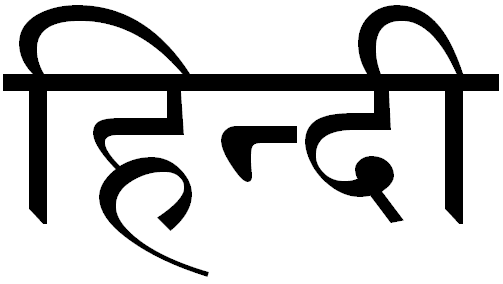
हिन्दी / اُردُو‎ – 2018-01-03

सभी मनुष्यों को गौरव और अधिकारों के मामले में जन्मजात स्वतन्त्रता और समानता प्राप्त है।

उन्हें बुद्धि और अन्तरात्मा की देन प्राप्त है और परस्पर उन्हें भाईचारे के भाव से बर्ताव करना चाहिए।

Vocabulary

अधिकारों adhikaarom rights
अन्तरात्मा antraatmaa conscience, inner spirit
उन्हें unhẽ polite dative of वे [वे]
और aur and
करना karnā to do to make, create to cause to become, to render to commit to perform
की kii of belonging to concerning made of, consisting of
के ke [possessive particle] [का]
को ko marks the dative case: to marks the locative case in, at the time of
गौरव gaurav honour, glory
चाहिए cāhie should, ought to [चाहना]
जन्मजात janmajāt innate, from birth
देन den giving gift contribution
परस्पर paraspar with one another mutual
प्राप्त prāpt obtained, found befallen
बर्ताव bartāv behaviour, conduct; treatment
बुद्धि buddhi intelligence
भाईचारे bhaiicaare brotherhood
भाव bhāv existence, being rate, price emotion, feeling disposition, character, nature opinion, sentiment manner, way intent, meaning soul, spirit
मनुष्यों manushyom humans
मामले maamle case
में mẽ in, inside of within into during for the price of between, among
सभी sabhī all
समानता samāntā equality similarity
से se instrumental-case postposition. indicates association or mutual dealing: by; with; to indicates a sense of removal or going: from comparative postposition: than indicates passage of time . indicates means or agency indicates manner of doing; forms adverbs
स्वतन्त्रता svatantrata independence
है hẽ is, are [होना]

Čeština – 2017-12-31

Od Duolingo:

  • Jsem dívka nebo chlapec? Am I a girl or a boy?
  • Je Kateřina vysoká? Is Kateřina tall?
  • Jsou Matěj a Kateřina manželé? Are Matěj and Kateřina husband and wife?
  • Nepiju pivo. I am not drinking beer.
  • Děti nepijou víno. Children do not drink wine.
  • Sýr nesnášíme.We cannot stand cheese.

עברית – 2017-12-30

From Duolingo (review):


  • התה שלי ורוד. My tea is pink.
  • זה גזר כתום. This is an orange carrot.
  • זה צבע סגול. This is a purple color.
  • התפוח הירוק חמוץ.The green apple is sour.
  • הוא צובע את הבגדים שלו.He paints his clothes.
  • הכובע שלי צהוב.My hat is yellow.
  • הוא לובש מכנסיים סגולים.He is wearing purple trousers.
  • אני צובעת ביצה.I’m painting an egg.
  • אנחנו רוצים תפוזים כתומים.We want orange oranges.
  • הפיל האפור הולך.The grey elephant is going.
  • יש לי שמלה סגולה. I have a purple dress.
  • אני רוצה צעיף ירוק.I want a green scarf.
  • לא לצבוע את החולצה שלה!Don’t dye her shirt!
  • הפרה החומה אוהבת מים.The brown cow likes water.
  • אני אוכל עוגה צבעונית.I’m eating a colourful cake.
  • הוא לובש מעיל צבעוני.He is wearing a colourful coat.
  • הוא צובע את הבגדים שלו.He is painting his clothes.
  • הציפור אפורה. The bird is gray.
  • פלפלים הם אדומים, כתומים, צהובים או ירוקים.Peppers are red, orange, yellow or green.


Learn all the Languages!