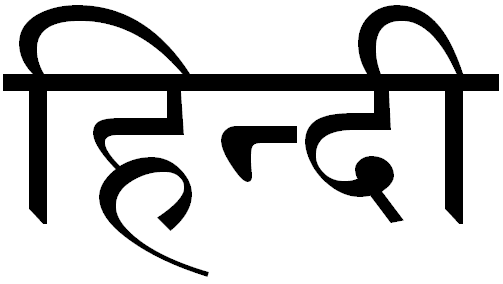
हिन्दी / اُردُو‎ – 2018-01-03

सभी मनुष्यों को गौरव और अधिकारों के मामले में जन्मजात स्वतन्त्रता और समानता प्राप्त है।

उन्हें बुद्धि और अन्तरात्मा की देन प्राप्त है और परस्पर उन्हें भाईचारे के भाव से बर्ताव करना चाहिए।

Vocabulary

अधिकारों adhikaarom rights
अन्तरात्मा antraatmaa conscience, inner spirit
उन्हें unhẽ polite dative of वे [वे]
और aur and
करना karnā to do to make, create to cause to become, to render to commit to perform
की kii of belonging to concerning made of, consisting of
के ke [possessive particle] [का]
को ko marks the dative case: to marks the locative case in, at the time of
गौरव gaurav honour, glory
चाहिए cāhie should, ought to [चाहना]
जन्मजात janmajāt innate, from birth
देन den giving gift contribution
परस्पर paraspar with one another mutual
प्राप्त prāpt obtained, found befallen
बर्ताव bartāv behaviour, conduct; treatment
बुद्धि buddhi intelligence
भाईचारे bhaiicaare brotherhood
भाव bhāv existence, being rate, price emotion, feeling disposition, character, nature opinion, sentiment manner, way intent, meaning soul, spirit
मनुष्यों manushyom humans
मामले maamle case
में mẽ in, inside of within into during for the price of between, among
सभी sabhī all
समानता samāntā equality similarity
से se instrumental-case postposition. indicates association or mutual dealing: by; with; to indicates a sense of removal or going: from comparative postposition: than indicates passage of time . indicates means or agency indicates manner of doing; forms adverbs
स्वतन्त्रता svatantrata independence
है hẽ is, are [होना]

Čeština – 2017-12-31

Od Duolingo:

  • Jsem dívka nebo chlapec? Am I a girl or a boy?
  • Je Kateřina vysoká? Is Kateřina tall?
  • Jsou Matěj a Kateřina manželé? Are Matěj and Kateřina husband and wife?
  • Nepiju pivo. I am not drinking beer.
  • Děti nepijou víno. Children do not drink wine.
  • Sýr nesnášíme.We cannot stand cheese.

עברית – 2017-12-30

From Duolingo (review):


  • התה שלי ורוד. My tea is pink.
  • זה גזר כתום. This is an orange carrot.
  • זה צבע סגול. This is a purple color.
  • התפוח הירוק חמוץ.The green apple is sour.
  • הוא צובע את הבגדים שלו.He paints his clothes.
  • הכובע שלי צהוב.My hat is yellow.
  • הוא לובש מכנסיים סגולים.He is wearing purple trousers.
  • אני צובעת ביצה.I’m painting an egg.
  • אנחנו רוצים תפוזים כתומים.We want orange oranges.
  • הפיל האפור הולך.The grey elephant is going.
  • יש לי שמלה סגולה. I have a purple dress.
  • אני רוצה צעיף ירוק.I want a green scarf.
  • לא לצבוע את החולצה שלה!Don’t dye her shirt!
  • הפרה החומה אוהבת מים.The brown cow likes water.
  • אני אוכל עוגה צבעונית.I’m eating a colourful cake.
  • הוא לובש מעיל צבעוני.He is wearing a colourful coat.
  • הוא צובע את הבגדים שלו.He is painting his clothes.
  • הציפור אפורה. The bird is gray.
  • פלפלים הם אדומים, כתומים, צהובים או ירוקים.Peppers are red, orange, yellow or green.


संस्कृतम् – 2017-12-27

  • न मातृवनमिति न तरामीति मनुते /na mātṛvanamiti na tarāmīti manute/He thinks, “This is not my mother’s forest, so I won’t cross.”
  • नवममिति न तरति /navamamiti na tarati/He does not cross since it’s the ninth.
  • रे रे तव वीरो न वर्ते /re re tava vīro na varte/Hey, hey, I’m not your hero!

Cymraeg – 2017-12-25

O Duolingo:

  • Dw i eisiau yfed lemonêd.I want to drink lemonade.
  • Mae hi eisiau yfed coffi.She wants to drink coffee.
  • Ydyn ni eisiau yfed gwin? Do we want to drink wine?
  • Dyn ni eisiau mynd adre. We want to go home.
  • Dw i eisiau blodfresych. I want cauliflower.
  • Maen nhw eisiau te.They want tea.
  • Dych chi ddim eisiau coffi. You don’t want a coffee.
  • Mae hi eisiau mynd adre. She wants to go home.
  • Nac ydy, dydy e ddim eisiau siocled. No, he does not want chocolate.
  • Mae hi eisiau bara.She wants bread.
  • Dwyt ti ddim eisiau nofio.You don’t want to swim.
  • Ydyn ni eisiau siocled?Do we want chocolate?
  • Dw i’n gweld.I see.
  • Mae hi eisiau reis. She wants rice.
  • Wyt ti eisiau lemonêd?Do you want lemonade?
  • Mae’r athrawes yn mynd adre.The teacher goes home.

Ἑλληνική – 2017-12-24

From Wikipedia:

  • τὸν μέλλοντα δώσειν τὸ φάρμακον.The (man who was) going to give the poison.
  • ἤκουσε Κῦρον ἐν Κιλικίᾱͅ ὄντα.He heard that Cyrus was in Cilicia (lit. he heard Cyrus being in Cilicia).
  • ἔτυχε καὶ ὁ Ἀλκιβιάδης παρών.Alcibiades also happened to be present (lit. chanced being present).
  • εἰς Ἀθήνᾱς ἔπλευσε.He sailed to Athens.
  • ἐφύλαττον τὰ τείχη.They were guarding the walls.
  • αὐτὸς αὑτὸν διέφθειρεν.He killed himself.

Learn all the Languages!