
All posts by panglossa


فارسی – 2016-07-08
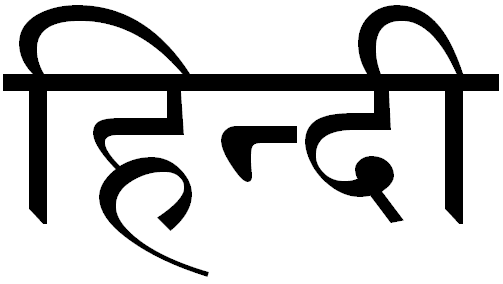
हिन्दी / اُردُو – 2016-07-07

Esperanto – 2016-07-07
-
- Ili iros je la tria de majo. – They’ll go on the third of May.
- Ili iros la trian de majo. – They’ll go on the third of May.
- La kato ĉasis la muson en la domo. – The cat chased the mouse in [inside of] the house.
- La kato ĉasis la muson en la domon. – The cat chased the mouse into the house.
- Li iris al sia hejmo. – He went to his home.
- Li iris hejmen. – He went home.
-
- libro de Johano – John’s book
- li venis de la butiko – he came from the shop
- mordita de hundo – bitten by a dog
- tablo el ligno – a table of wood
- glaso da vino – a glass of wine
- listo da kondiĉoj de la kandidatoj – a list of conditions from the candidates

Cymraeg – 2016-07-04
o Duolingo:
- menyn – butter
- smwddio – to iron
- brecwast – breakfast
- caws – cheese
- Dw i’n hoffi mefus. – I like strawberries.
- Dw i’n hoffi swper. – I like supper.
- cerdded – to walk
- Dw i’n yfed coffi, hefyd. – I drink coffee, too.
- Dw i’n hoffi cinio. – I like dinner.
- Dw i’n yfed coffi, hefyd. – I drink coffee, too.
- Dych chi’n hoffi swper? – Do you like supper?
- cinio dydd suul – Sunday dinner
- Dw i ddim yn hoffi cerdded. – I don’t like to walk.
- Dych chi’n bwyta caws? – Do you eat cheese?
- Dw i’n hoffi te hefyd. – I like tea, too.
- Dw i’n hoffi cwrw, hefyd. – I like beer, too.
- Dych chi’n smwddio? – Are you ironing?
- Dych chi’n hoffi bricwast? – Do you like breakfast?
- caws a bara – cheese & bread

עברית – 2016-07-04

Čeština – 2016-07-03
Türkçe – 2016-07-01
Duolingo‘dan:
- soğuk elma – the cold apple
- soğuk bir elma – a cold apple
- Elma soğuk. – The apple is cold.
- eski – old
- Bunlar zor. – These are difficult.
- Ekmek soğuk, su sıcak. – The bread is cold, the water is hot.
- o ekmek – that bread
- Bu çok kolay. – This is very easy.
- Onlar çocuklar. – Those are children.
- Genç adam süt içer. – The young man drinks milk.
- yaşlı adam – a young man
- Şu çocuk süt içer. – That child drinks milk.
- Şu elma küçük. – That apple is small.
- Bu çok zor. – This is very difficult.
- Bunlar zor, onlar kolay. – This are difficult, those are easy.
- sıcak ekmek – hot bread
- soğuk ve eski – cold & old
- yaşlı kadın ve genç kız – an old woman & a young girl
- Bunlar çok güzel. – These are very beautiful.
- şu ekmek – that bread
- Şunlar çok büyük. – Those are very big.
- Bu çok kolay. – This is very easy.
- Bunlar çok büyük. – These are very big.
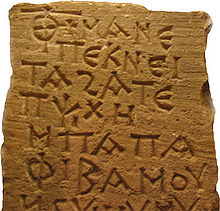
ⲧⲙⲛ̄ⲧⲣⲙ̄ⲛ̄ⲕⲏⲙⲉ – 2016-07-01
Conjunction “and”
- ϩⲓ: before absence of article (zero article).
- ⲙⲛ̄: used before an indefinite or definite article, and before an indefinite or definite pronoun.
- ⲁⲩⲱ: under both of these conditions.
- ⲛⲙ̄ⲙⲁ: completed by a personal suffix.
Examples:
- ⲙⲁⲉⲓⲛϩⲓϣⲡⲏⲣⲉ, ⲙⲁⲉⲓⲛⲁⲩⲱϣⲡⲏⲣⲉ; ϩⲉⲛⲙⲁⲉⲓⲛⲙⲛ̄ϩⲉⲛϣⲡⲏⲣⲉ, ϩⲉⲛⲙⲁⲉⲓⲛⲁⲩⲱϩⲉⲛϣⲡⲏⲣⲉ – signs and wonders
- ϩⲟⲟⲩⲧϩⲓⲥϩⲓⲙⲉ – males and females
- ⲙ̄ⲙⲁⲉⲓⲛⲙⲛ̄ⲛⲉϣⲡⲏⲣⲉ – the signs and the wonders
- ⲛⲉⲓ̈ⲙⲁⲉⲓⲛⲙⲛ̄ⲛⲉⲓ̈ϣⲡⲏⲣⲉ, ⲛⲉⲓ̈ⲙⲁⲉⲓⲛⲁⲩⲱⲛⲉⲓ̈ϣⲡⲏⲣⲉ – these signs and these wonders
- ⲡⲉⲥⲙⲟⲩⲙⲛ̄ⲡⲉⲟⲟⲩⲙⲛ̄ⲧⲥⲟⲫⲓⲁⲁⲩⲱⲧⲉⲩⲭⲁⲣⲓⲥⲧⲓⲁ – glory and honor and wisdom and thanksgiving
- ⲡⲁⲩⲗⲟⲥⲛⲙ̄ⲙⲁⲛ – Paul and us
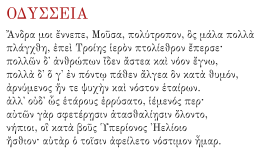
Ἑλληνική – 2016-06-30
From Wikipedia:
- Ὅμηρός τε καὶ Ἡσίοδος ταὐτὰ λέγετον. – Homer and Hesiod both say the same things.
- πολλά γε ἔτη ἤδη εἰμὶ ἐν τῇ τέχνῃ – I have been (lit. I am) in the business for many years now.
- τὸ πλοῖον ἧκεν ἐν ᾧ ἐπῑ́νομεν – The boat arrived in which we had (earlier) been drinking.
- ὄμνυμι πάντας θεούς – I swear by all the gods!
- τὸν ἄνδρα ὁρῶ – I see the man!
- ἀεὶ ταὐτὰ λέγεις, ὦ Σώκρατες – You are always saying the same things, Socrates!
- “ὦ Σώκρατες,” ἔφη, “ἐγρήγορας ἢ καθεύδεις;” – “O Socrates”, he said, “have you woken up, or are you sleeping?”
- ῑ̔́ετο ἐπ’ αὐτὸν καὶ τιτρώσκει – He hurls himself at him and wounds him.