


संस्कृतम् – 2018-02-28
अपि: a particle with many uses.
- interrogative
- (prep.) close by or to, within, before; (adv.) further, also, too; even
- at least, however, but
- all (after numerals)
- with an optative verb, expressing hope, fear, or desire; further, moreover, as well as, rather than (usually accompanied by च, either अपि च or चापि).
- they too–who (येऽपि, तेऽपि)
- however, although (यद्यपि)
- even so, nevertheless (तथपि)
- also, may convert an interrogative to an indefinite
Examples:
- अप्यवगच्छसि? – Do you understand?
- अपि सत्यम्? – Is it true?
- अपि कुशलम्? – Are you all right?
- मुहूर्तमपि – only a moment
- कथमपि न – not at all, by no means
- न परं … अपि – not only … but also
- अपीदम् तदीयम्? – Is this his?
- अपीमी अविनीताः? – Are they indisciplined?

中文 – 2018-02-22
From Duolingo:
- 電腦在桌子上。 / 电脑在桌子上。 – The computer is on the table.
- 我在找我的手機。/ 我在找我的手机。 – I am looking for my cell phone.
- 你的孩子在桌子下。 – Your child is under the table.
- 貓在椅子上。/ 猫在椅子上。 – The cat is on the chair.
- 我看見了你的孩子。 / 我看见了你的孩子。 – I saw your child.
- 狗在椅子下。 – The dog is under the chair.
中文 – 2018-02-19
From Duolingo:
- 書在床上。 / 书在床上。 – The book is on the bed.
- 狗在桌子下。 – The dog is under the table.
- 媽媽在門外。 / 妈妈在门外。 – Mom is outside the door.
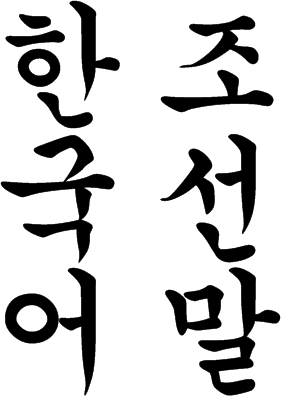
한국어 – 2018-02-17
From Duolingo:
- 여자가 날씬합니다. – The woman is thin.
- 여자는 키가 큽니다. – The woman is tall.
- 자동차가 더럽습니다. – The car is dirty.
- 남자의 고양이가 귀엽습니다. – The man’s cat is cute.
- 저는 뚱뚱합니다. – I am fat.
- 아이가 깨끗합니다. – The child is clean.
- 산이 예쁩니다. – The mountain is pretty.
- 한국은 아름답습니다. – Korea is beautiful.
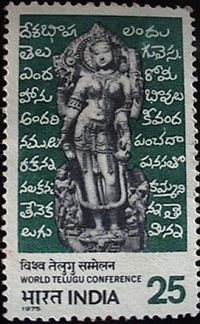
తెలుగు – 2018-02-14
The personal pronouns for 1st and 2nd persons in Telugu are:
| singular | plural | |
|---|---|---|
| 1st person |
నేను | మేము (exclusive) మనము (inclusive) |
| 2nd person |
నువ్వు (low formality) నీవు (mid-level formality) మీరు (high formality) |
మీరు (high formality) తమరు (highest formality) |
The 2nd person pronouns differ in level of formality.
The 1st person plural pronoun మేము, called “exclusive”, means “I and someone else [but not you]”.
The 1st person plural pronoun మనము, “inclusive”, means “I and you [and possibly others]”.
Telugu 3rd person pronouns account for several factors, such as the nature of the referent (human male, human female, non-human), number (singular, plural) and proximity.
| distal | proximal | ||||||
|---|---|---|---|---|---|---|---|
| singular | plural | singular | plural | ||||
| male | వాడు అతను /అతడు ఆయన వారు |
వాళ్లు వారు |
వీడు ఇతను ఈయన వీరు |
వీళ్లు వీరు |
|||
| female | అది ఆమె ఆవిడ వారు |
వాళ్లు వారు |
ఇది ఈమె ఈవిడ వీరు |
వీళ్లు వీరు |
|||
| non-human | అది | అవి | ఇది | ఇవి | |||
| reflexive | తాను | తాము | – | – | |||

2018-02-14 – Ἑλληνική
From an old, unidentified Greek textbook:
Ex. 1 (part 2)
- Αἱ πύλαι τῶν οἰκιῶν μεγάλαι εἰσίν. / Αἱ τῶν οἰκιῶν πύλαι μεγάλαι εἰσίν.
- Ἡ φόβος τοῦ θεοῦ ἀρχὴ τῆς σοφίης ἐστιν. / Ἡ τοῦ θεοῦ φόβος ἡ τῆς σοφίης ἀρχὴ ἐστιν.
- Αἱ περιστεραί τῇ Ἀφροδίτῃ ἱεραὶ ἦσαν.
- Ἡ φιλία ὁ βίος τῆς καρδίης ἐστιν, καὶ ἡ ἀλήθεια ὁ βίος τῆς ψυχῆς ἐστιν.
- Ἐν ταῖς ἵλαις, ἐν τοῖς αὐλῶσι, αἱ νύμφαι ὑπὸ ταῖς δάφναις καὶ ὑπὸ ταῖς ἐλαίαις χορεύουσιν.
- Ἡ φιλία καταφυγὴ ἐστιν ἐν ταῖς συμφοραῖς καὶ ἐν τῇ πενίᾳ.
- Ἡ γῆ σφαῖρά ἐστιν,
- Ἡ τρυφὴ ἦν τοῖς Ἕλλησι αἰτία τῆς πτώσεως.
- Ἡ ἀνδρεία ῥίζα τῆς δόξης ἐστιν.
- Αἱ μοῦσαι θεαὶ τῆς σοφίης εἰσίν.
Vocabulary
- πύλη – door
- οἰκία – house
- ἡ φόβος – fear
- ἀρχῆ – beginning
- περιστερά – dove
- ἱερά – sacred, consecreated
- φιλία – friendship
- ὁ βίος – life
- καρδία – heart
- ἀλήθεια – truth
- ὕλη – woods, forest
- ἐν τοῖς αὐλῶσι – in the valleys
- χορεύω – to dance
- ὑπό (D) – under
- δάφνη – sweet bay (plant)
- ἐλαία – olive tree
- καταφυγή – refuge
- πενία – poverty
- γῆ – earth
- σφαῖρα – sphere
- τρυφή – luxuriousness, wantonness
- πτῶσις – alling, a fall
- θεά – goddess
2018-02-13 – Ἑλληνική
From an old, unidentified Greek textbook:
Ex. 1 (part 1)
- Παιδεία τροφὴ ψυχῆς ἐστιν.
- Ἡ δίκη ἐστὶ πηγὴ τῆς εἰρήνης.
- Ἡ ἀνδρεία ἐστὶ ῥίζα τῆς δόξης.
- Ἡ θέα τῆς θαλάττης καλή ἐστιν.
- Τῶν ἡδονῶν καὶ τῶν λυπῶν τελευτή ἐστιν.
- Ἡ τῆς ἀδελφῆς στολὴ καλή ἐστιν.
- Τῇ ἀχαριστίᾳ ἕπεται ἡ ἀναισχυντία.
- Αἱ ἐπιθυμίαι εἰσὶ συμφορῶν αἰτίαι.
- Ἡ εὐσέβειά ἐστι πηγὴ καὶ ῥίζα σοφίας καὶ δόξης.
- Ἐν τῇ μάχῃ ἡ τόλμα ἄνευ σωφροσύνης πολλάκις οὐ σωτηρίαν καὶ νίκην, ἀλλὰ συμφορὰς καὶ αἰσχύνην φέρει.
Vocabulary
- παιδεία – education
- τροφή – food
- ψυχή – soul
- δίκη – justice
- πηγή – source
- εἰρήνη – peace
- ἀνδρεία – courage
- ῥίζα – root
- δόξα – glory
- θέα – view, sight
- θάλαττα – see
- ἡδονή – pleasure
- λύπη – pain
- τελευτή – end
- ἀδελφή – sister
- στολή – dress
- ἀχαριστία – ingratitude
- ἕπομαι – to follow
- ἀναισχυντία – impudence, shamelessness, brassiness
- ἐπιθυμία – passion
- συμφορά – disgrace
- αἰτία – cause
- εὐσέβεια – piety, loyalty
- σοφία – wisdom
- μάχη – combat
- τόλμα – courage
- ἄνευ (G) – without
- σωφροσύνη – prudence
- πολλάκις – often
- σωτηρία – salvation
- νίκη – victory
- ἀλλά – but, however
- αἰσχύνη – shame, disgrace

Lietuvių kalba– 2018-01-29
తెలుగు – 2018-01-26
In Telugu, ఎవరు /evaru/ corresponds to “who”. Ex.:
- మన పొరుగువాళ్లు ఎవరు? /mana poruguvāḷlu evaru?/ – Who is our neighbour?
- అయితే ఆ సహోదరుల్ని నిజానికి ఎవరు నియమిస్తారు? /ayitē ā sahōdarulni nijāniki evaru niyamistāru?/ – But who actually appoints such brothers?
- మీ జీవితంలో అత్యంత ముఖ్యమైనవాళ్లు ఎవరు? /mī jīvitanlō atyanta mukhyamainavāḷlu evaru?/ – Who is the most important person in your life?
- అలాంటి విషయాన్ని ఎవరైనా ఎప్పుడైనా విన్నారా? /alāṇṭi viṣayānni evarainā eppuḍainā vinnārā?/ – Who ever heard of such a thing?
- అయినా చారిత్రక వాస్తవాలను ఎవరు కాదనగలరు? /Ayinā cāritraka vāstavālanu evaru kādanagalaru?/ – Yet, who can deny the facts of history?