
- Molo! – Hello!
- Molweni! – Hello! (plural)
- Sala kakuhle! – Goodbye!
- Iyakubonana! – So long!

Van Duolingo:
- Boterhammen zijn lekker. – Sandwiches are tasty.
- de olifanten – the elephants
- Zij heeft de borden. – She has the plates.
- Ik heb appels en jij hebt een banaan. – I have apples and you have a banana.
- katten en honden – cats & dogs
- De katten drinken melk. – The cats drink milk.
- Heb jij vogels of schildpadden? – Do you have birds or turtles?

From Duolingo:
- Mtoto mbaya! – Bad kid!
- Mtoto wako – your kid
- mhandisi – engineer
- Saidi ni mvulana. – Saidi is a boy.
- mpishi – cook, chef
- wapishi – cooks, chefs
- wavulana wazuri – good boys
- Mama ni mpishi mzuri. – Mom is a good cook.
- mwalimu – teacher
- Ni wanene? – Are they large?
- Mwalimu ni mwanaume. – The teacher is a man.
- Wangu ni wanene. – Mine are large.
- Ninyi ni wapishi wazuri. – You are good cooks.
- Mwalimu ni mwanamke mtanzania. – The teacher is a Tanzanian woman.
- Baba ni mhandisi. – Dad is an engineer.
- mwalimu mbaya – a bad teacher
- daktari wako – your teacher
Van Duolingo:
- De paarde drinken water. – The horses drink water.
- Zijn het kranten? – Are they newspapers?
- Ik lees boeken. – I read books.
- Eenden drinken water. – Ducks drink water.
- Wij zijn schildpadden. – We are turtles.
- Zij lezen de kranten. – They read the newspapers.
- De honden eten brood. – The dogs eat bread.

From Duolingo:
- bát – bowl
- muỗng – spoon
- giường – bed
- chai – bottle
- bàn – table
- bàn và ghế – table & chairs
- cái giường – the table
- tivi – tv
- cửa sổ – window
- gương – mirror
- đồng hồ – clock
- máy tính – computer
- cái gương – the mirror
- điện thoại – telephone
- cái điện thoại – the telephone
- một cái máy tính – one computer
- Tôi xem đồng hồ. – I look at the clock.
- cửa sổ của tôi – my window
- pin – battery
- đèn – lamp
- Người phụ nữ mua một cái túi. – The woman buys a bag.
- Tôi tìm ví của cô ấy. – I find her purse.
- thuốc lá – tobacco

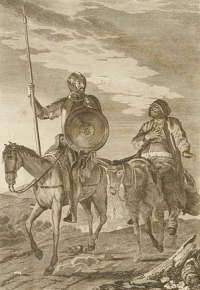
- asonar: hacer asonancia o convenir un sonido con otro; juntar en asonada, y, en general, juntar o reunir.
- asonada: reunión tumultuaria y violenta para conseguir algún fin, por lo común político.


o Duolingo:
- Dw i ddim yn hoffi pasta. – I don’t like pasta.
- Dw i’n hoffi coffi a mêl. – I like coffee and honey.
- Dw i’n hoffi siocled. – I like chocolate.
- Dw i ddim yn hoffi reis. – I don’t like rice.
- Dw i’n hoffi coffi. – I like coffee.
- Dw i ddim yn hoffi bacwn. – I don’t like bacon.
- Dw i’n hoffi coffi a siocled. – I like coffee and chocolate.
- Dw i ddim yn hoffi pasta. – I don’t like pasta.
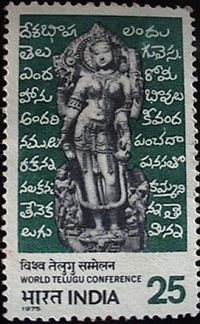
- మేరీ ఒక నఖిలీ గుచ్ఛిీ హ్యాండ్బ్యాగ్ కొన్నది. – Mary bought a fake Gucci handbag.
- నేను బర్మీస్ భాషను నేర్చుకుంటున్నాను. – I’m learning Burmese.
- నేను నా సొంత నిర్ణయాలు తీసుకునేఅంత పెద్దవాదినయ్యాను. – I’m old enough to make my own decisions.
Learn all the Languages!
