Watching The Pied Piper with John Hurt, I knew the story (at least in general lines) but I had never seen its title in English. Two new words:
- pied [paɪd]: decorated or colored in blotches.
- blotch: uneven patch of color; irregularly shaped spot.

Watching The Pied Piper with John Hurt, I knew the story (at least in general lines) but I had never seen its title in English. Two new words:
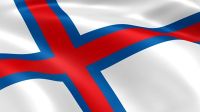
Faroese has masculine, feminine and neuter nouns. Nouns inflect for case (nominative, accusative & dative) and definiteness (indefinite & definite).
Here goes the indefinite inflection only:
Masculine noun: armur “arm”
| Sing. | Pl. | |
|---|---|---|
| Nom. | armur | armar |
| Acc. | arm | |
| Dat. | armi | ørmum |
Masculine noun: granni “neighbour”
| Sing. | Pl. | |
|---|---|---|
| Nom. | granni | grannar |
| Acc. | granna | |
| Dat. | grannum |
From what I can see, it looks like there are two types of masculine nouns: those ending in -ur and those with other endings. The book says something about human / non-human / animate / inanimate, but I couldn’t quite understand the whole thing (the text seems to contradict the illustration, I don’t know).
Palabras para 2014-06-04:

Quelques mots que j’ai appris ou même rappelé ces récemment:
Qualche parola che ho imparato o anche ricordato queste ultime settimane:
Algunos verbos y locuciones que he aprendido o recordado recientemente:
Algunas palabras que aprendí o recordé recientemente:
Just found there is a metal (or rather an alloy) called britannium. According to wikipedia: “typically 92% tin, 6% antimony, and 2% copper.” Optional name: britannia metal.