- Evet – Yes
- Hayır – No
- O iyi – He/she is fine.
- Görüşürüz! – See you!
- İyi şanslar! – Good luck!
- İyi akşamlar. – Good evening.
- İyi geceler – Good night.

Most frequent characters (36-40)
| 36 | 对 / 對 (ㄉㄨㄟˋ) [duì] correct; yes; mutual; pair; 对不起 excuse me |
| 37 | 下 (ㄒㄧㄚˋ) [xià] under; (go) down; next [jià] (HDC:) 下/假借 |
| 38 | 那 (ㄋㄚˋ, ㄋㄜˋ, ㄋㄟˋ) [nà] [nèi] that, the [nuó] 禅那 [nuò] 无那 [nǎ] 哪 [něi] 哪一 [né] 那吒 [nā] (姓) [ná] (HDC:) (满语), (梵语) |
| 39 | 可 (ㄎㄜˇ) [kě] (可以 kěyǐ) can; (可是 kěshì) but; 可能 kěnéng maybe [kè] 可汗 Khan [gē] 歌; … |
| 40 | 过 / 過 (ㄍㄨㄛˋ, ㄍㄨㄛ) [guò] pass, go by, exceed; 过马路 cross the street [guo] (v. suf., ‘completion/past’) [guō] [huò] cf. 過 |
Aus Tatoeba:
Na séasúir na bliana:
| English | Irish | Duration |
|---|---|---|
| Spring | Earrach
(Munster) /əˈɾˠax/; |
February to April |
| Summer | Samhradh (Munster, Galway) /ˈsˠəuɾˠə/ (Mayo) /ˈsˠəuɾˠuː/ (Ulster) /ˈsˠəuɾˠu/ |
May to July |
| Autumn, Fall | Fómhar (Munster) /ˈfˠoːɾˠ/, /fˠõːɾˠ/ (Connacht) /ˈfˠoːvˠəɾˠ/ (Cois Fharraige) /ˈfˠuːwəɾˠ/ (Ulster) /ˈfˠɔːwəɾˠ/ |
August to October |
| Winter | Geimhreadh (Munster) /ˈɟiːɾʲə/ (Galway) /ˈɟiːvʲɾʲə/ (Mayo) /ˈɟɛvʲɾʲuː/ (Ulster) /ˈɟɛvʲɾʲu/ |
November to January |
Cardinal Numbers in Czech
| nula | zero |
| jeden, jedna, jedno | one |
| dva, dvě | two |
| tři | three |
| čtyři | four |
| pět | five |
| šest | six |
| sedm | seven |
| osm | eight |
| devět | nine |
| deset | ten |
| jedenáct | eleven |
| dvanáct | twelve |
| třináct | thirteen |
| čtrnáct | fourteen |
| patnáct | fifteen |
| šestnáct | sixteen |
| sedmnáct | seventeen |
| osmnáct | eighteen |
| devatenáct | nineteen |
| dvacet | twenty |
| dvacet jedna | twenty one |
| dvacet dva | twenty two |
| dvacet tři | twenty three |
| třicet | thirty |
| čtyřicet | forty |
| padesát | fifty |
| šedesát | sixty |
| sedmdesát | seventy |
| osmdesát | eighty |
| devadesát | ninety |
| sto | one hundred |
| dvě stě | two hundred |
| tři sta | three hundred |
| čtyři sta | four hundred |
| pět set | five hundred |
| šest set | six hundred |
| sedm set | seven hundred |
| osm set | eight hundred |
| devět set | nine hundred |
| tisíc | thousand |
| dva tisíce | two thousand |
| jedenáct tisíc | eleven thousand |
| dvacet pět tisíc | twenty five thousand |
| sto třicet osm tisíc | one hundred and thirty eight thousand |
| milión | one million |
| dva milióny | two million |
| pět, šest, sedm … miliónů | five, six, seven … million |
| miliarda | billion |
От Дуолинго:
Albanian Personal Pronouns
| NOM | ACC | DAT | ABL | ACC (clitic) | DAT (clitic) | |
|---|---|---|---|---|---|---|
| 1st pers. singular | unë | mua | mua | meje | më | më |
| 2nd pers. singular | ti | ty | ty | teje | të | të |
| 3rd pers. singular, masculine | ai | atë | atij | atij | e | i |
| 3rd pers. singular, feminine | ajo | atë | asaj | asaj | e | i |
| 1st pers. plural | ne | ne | neve | nesh | na | na |
| 2nd pers. plural | ju | ju | juve | jush | ju | ju |
| 3rd pers. plural, masculine | ata | ata | atyre | atyre | i | u |
| 3rd pers. plural, feminine | ato | ato | atyre | atyre | i | u |
Från Duolingo:
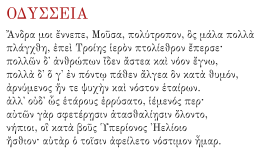
Regular Thematic Verb: λέγω
1st person plural
| Active Indicative Present | λέγομεν | we say |
| Active Subjunctive Present | λέγωμεν | (that) we say |
| Active Optative Present | λέγοιμεν | may we say |
| Middle/Passive Indicative Present | λεγόμεθα | we say to ourselves |
| Middle/Passive Subjunctive Present | λεγώμεθα | (that) we say to ourselves |
| Middle/Passive Optative Present | λεγοίμεθα | may we say to ourselves |
General rules: